

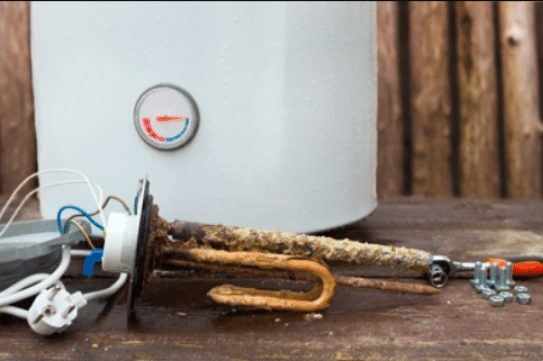
Your water heater is one of those home appliances you don’t think about until it stops working. Whether you’re stepping into an ice-cold shower on a winter morning or discovering a puddle spreading across your basement floor, a failing water heater can quickly turn from a minor inconvenience into a major emergency. The good news? Most water heaters give you plenty of warning signs before they completely give out.
Understanding the water heater failing signs can save you from costly water damage, emergency repairs, and the stress of going without hot water. In this guide, we’ll walk you through the telltale indicators that your water heater is on its last legs and what steps you should take before disaster strikes.
Contents
- The Lifespan Reality: When Should You Start Watching?
- Critical Water Heater Failing Signs You Shouldn’t Ignore
- 1. Rusty or Discolored Water
- 2. Strange Noises From the Tank
- 3. Moisture or Leaks Around the Unit
- 4. Inconsistent Water Temperature
- 5. Reduced Hot Water Supply
- 6. Higher Energy Bills
- 7. Visible Corrosion or Rust
- What to Do When You Spot These Warning Signs
- The Bottom Line
- Your septic and sewer systems deserve expert care. Trust Tri-County Water Services for fast, reliable, and transparent services that ensure your system stays trouble-free across PA and MD.
- Frequently Asked Questions
- / Author
- Brent D. Hershey
- Orenco Rep, Educator
The Lifespan Reality: When Should You Start Watching?
Before diving into specific warning signs, it’s important to understand that water heaters aren’t built to last forever. Most conventional tank water heaters have a lifespan of 8-12 years, while tankless models can last up to 20 years with proper maintenance. If your unit is approaching or has exceeded this age range, you should be especially vigilant about monitoring its performance.
The age of your water heater is typically indicated on the manufacturer’s label, though it’s often coded in the serial number. If you’re unsure about your unit’s age or can’t locate this information, a professional inspection can help you determine whether it’s time to start planning for water heater replacement in PA.
Critical Water Heater Failing Signs You Shouldn’t Ignore
1. Rusty or Discolored Water
When you turn on your hot water tap and notice rusty, brown, or murky water flowing out, it’s one of the most obvious water heater failing signs. This discoloration typically indicates that the inside of your tank is corroding. While rust-colored water could occasionally come from corroded pipes, if it only appears when you run hot water, your water heater is likely the culprit.
Corrosion is a progressive problem that won’t fix itself. Once it begins, it’s only a matter of time before the tank develops leaks. If you’re experiencing this issue, contact a water treatment specialist immediately to assess whether repair or replacement is your best option.
2. Strange Noises From the Tank
Your water heater shouldn’t sound like it’s hosting a rock concert in your basement. Rumbling, banging, popping, or cracking sounds are clear indicators that something’s wrong. These noises typically result from sediment buildup at the bottom of the tank.
As water heats and reheats, minerals separate from the water and settle at the tank’s base, hardening over time. This sediment layer forces your heater to work harder, reduces efficiency, and can eventually cause the tank to crack. Regular flushing can prevent this buildup, but if the noises have already started, you may be facing imminent failure.
3. Moisture or Leaks Around the Unit
Water pooling around your water heater base is never a good sign. Even small amounts of moisture can indicate a slow leak that will inevitably worsen. Leaks can develop from cracks in the tank itself, loose connections, or a faulty temperature and pressure relief valve.
Before assuming the worst, check that the leak isn’t coming from condensation or loose fittings, which are easily fixable. However, if water is seeping from the tank itself, this is a non-repairable problem. A leaking tank means it’s time for water heater replacement in PA before you’re dealing with significant water damage to your home.
4. Inconsistent Water Temperature
If your morning shower starts hot, turns lukewarm, then cold, then hot again seemingly at random your water heater is struggling. Inconsistent temperatures suggest that the heating elements (in electric models) are failing, the thermostat is malfunctioning, or sediment buildup is interfering with proper heating.
Similarly, if your water never gets as hot as it used to, even with the thermostat turned up, the heating mechanism is likely deteriorating. While some temperature issues can be resolved with repairs, chronic problems often signal that the unit is nearing the end of its functional life.
5. Reduced Hot Water Supply
Have you noticed that your hot water runs out much faster than it used to? Perhaps your household hasn’t changed, but suddenly there’s not enough hot water for everyone to shower in the morning. This declining capacity is one of the common water heater failing signs that indicates your unit can no longer meet your household’s demands.
Reduced hot water supply can result from sediment taking up space in the tank, a failing heating element, or general deterioration of the tank’s ability to retain heat. If you’re constantly running out of hot water, it’s time to evaluate whether your current system is salvageable or if replacement is the more practical solution.
6. Higher Energy Bills
A water heater on its last legs has to work significantly harder to heat your water, which translates directly to higher utility bills. If you’ve noticed a steady increase in your energy costs without a corresponding increase in usage, your aging water heater might be the culprit.
As sediment builds up and components deteriorate, efficiency plummets. What once took reasonable energy to heat now requires your system to run longer and work harder. This inefficiency will only worsen over time, making replacement not just necessary but financially smart.
7. Visible Corrosion or Rust
Take a walk around your water heater and inspect it visually. Do you see rust on the tank, inlet and outlet connections, or the pressure relief valve? Visible corrosion is a red flag that shouldn’t be ignored. Once rust takes hold on the exterior, it’s often already progressed significantly inside the tank.
Corroded valves and connections can sometimes be replaced, but rust on the tank itself signals that failure is imminent. This is particularly true if the corrosion appears near the bottom of the tank, where leaks are most likely to develop.
What to Do When You Spot These Warning Signs
Recognizing water heater failing signs is only the first step. Taking appropriate action can mean the difference between a planned replacement on your schedule and an emergency situation at the worst possible time.
Schedule a Professional Inspection: Don’t wait and hope the problem resolves itself. Contact a qualified water treatment professional who can assess the severity of the issue and provide honest guidance on whether repair or replacement is your best option.
Consider Proactive Replacement: If your water heater is over 10 years old and showing multiple warning signs, proactive replacement is often wiser than waiting for catastrophic failure. This approach allows you to research options, compare prices, and schedule installation at your convenience rather than in an emergency.
Explore Modern Alternatives: Water heater technology has advanced significantly. When planning for water heater replacement in PA, consider tankless models, heat pump water heaters, or high-efficiency tank models that can dramatically reduce your energy costs while providing superior performance.
Protect Your Home: If you’re experiencing leaks or significant moisture, take immediate steps to protect your property. Place a water alarm near your unit, clear the area of valuables, and know where your water shut-off valve is located in case of emergency.
Don’t Ignore Small Problems: What seems like a minor issue today can become a major catastrophe tomorrow. Addressing water heater failing signs early gives you control over the situation and prevents costly water damage to your home.
The Bottom Line
Your water heater works hard every single day to provide comfort and convenience for your household. Paying attention to the warning signs it gives you can save you from the stress, expense, and damage of sudden failure. Whether you’re dealing with rusty water, strange noises, leaks, or temperature inconsistencies, these symptoms deserve immediate attention.
If you’re experiencing any of these water heater failing signs or your unit is approaching the end of its expected lifespan, don’t wait until you’re facing an emergency. Professional assessment and timely water heater replacement in PA can ensure your home continues to have reliable hot water while protecting you from unexpected disasters.
Remember, the best time to replace a failing water heater is before it fails completely. Take action today to avoid the cold showers and costly repairs tomorrow.
Frequently Asked Questions
1. How long does a typical water heater last before showing signs of failure?
Most conventional tank water heaters last between 8-12 years before showing significant signs of failure, while tankless models can last 15-20 years. However, the lifespan depends heavily on water quality, maintenance frequency, and usage patterns. Hard water areas typically see shorter lifespans due to increased sediment buildup and corrosion. Regular maintenance, including annual flushing and anode rod replacement, can extend your unit’s life. If your water heater is over 10 years old and showing any warning signs such as rust, leaks, or inconsistent temperatures it’s wise to start planning for replacement even if it’s still functioning.
2. Can I repair a water heater that’s showing signs of failure, or do I need a full replacement?
It depends on the specific problem and the age of your unit. Minor issues like a faulty thermostat, heating element replacement, or a leaking pressure relief valve can often be repaired cost-effectively, especially if your water heater is relatively young (under 7 years old). However, if you’re experiencing tank corrosion, rust in the water, or actual tank leaks, replacement is your only option; these cannot be repaired. Similarly, if your unit is over 10 years old and requires significant repairs, replacement usually makes more financial sense than investing in fixing an aging system that will likely develop additional problems soon.
3. What should I do immediately if I notice water pooling around my water heater?
First, determine the source and severity of the leak. Check if water is coming from fittings, connections, or the pressure relief valve; these might be fixable. If water is seeping from the tank itself, you’re dealing with a non-repairable failure. Immediately turn off the power supply (circuit breaker for electric units, gas valve for gas units) and shut off the cold water supply to the heater. Place towels or a bucket to contain the water and move any valuable items away from the area. Contact a professional water heater service immediately, as tank leaks will only worsen and can cause significant property damage if left unaddressed.
4. Why is my water heater making loud banging or popping noises?
Those alarming sounds are typically caused by sediment buildup at the bottom of your tank. As water heats up, minerals naturally present in your water supply separate and settle at the tank’s base, forming a hard layer. When your heater cycles on, water gets trapped beneath this sediment layer, boils, and the resulting steam bubbles forcefully break through creating those popping and banging sounds. This sediment layer makes your heater work harder, reduces efficiency, and can eventually cause tank failure. Flushing your water heater can sometimes resolve this if caught early, but persistent noises often indicate significant buildup that may have already damaged your tank.
5. Is rusty or brown hot water always a sign that my water heater is failing?
Rusty or brown hot water is usually a strong indicator of water heater corrosion, but not always. To determine the source, run cold water only if it also comes out rusty, the problem is likely in your pipes, not your water heater. If only hot water is discolored, your water heater’s interior is probably corroding. You can also drain a few buckets of water from your heater’s drain valve; if the third bucket is still rusty, corrosion is advanced. Unfortunately, tank corrosion cannot be repaired, and the rust will only worsen, eventually leading to leaks. If you confirm the rust is coming from your water heater, start planning for replacement to avoid sudden failure and potential water damage.
6. How can I prevent my water heater from failing prematurely?
Regular maintenance is key to maximizing your water heater’s lifespan. Annual flushing removes sediment buildup that causes inefficiency and tank damage. Check and replace the anode rod every 3-5 years this sacrificial component attracts corrosive elements and protects your tank. Test the temperature and pressure relief valve annually to ensure it’s functioning. Set your thermostat to 120° F. Higher temperatures accelerate sediment buildup and corrosion. If you have hard water, consider installing a water softener to reduce mineral content. Finally, schedule professional inspections every few years to catch small problems before they become major failures. These simple steps can add years to your water heater’s life.
7. When is the best time to replace a water heater before or after it fails completely?
Proactive replacement before complete failure is almost always the better choice. Waiting for catastrophic failure means dealing with emergency situations, limited contractor availability, rushed decisions, and potentially higher costs. You may also face water damage to your home if the tank bursts. When you replace proactively, you have time to research options, compare contractors, take advantage of rebates or promotions, and schedule installation at your convenience. If your water heater is over 8 years old and showing multiple warning signs (rust, leaks, temperature issues, strange noises), replacement makes more sense than continuous repairs. For residents considering water heater replacement in PA, planning ahead ensures you’re never left without hot water and can make the best decision for your home and budget.

