

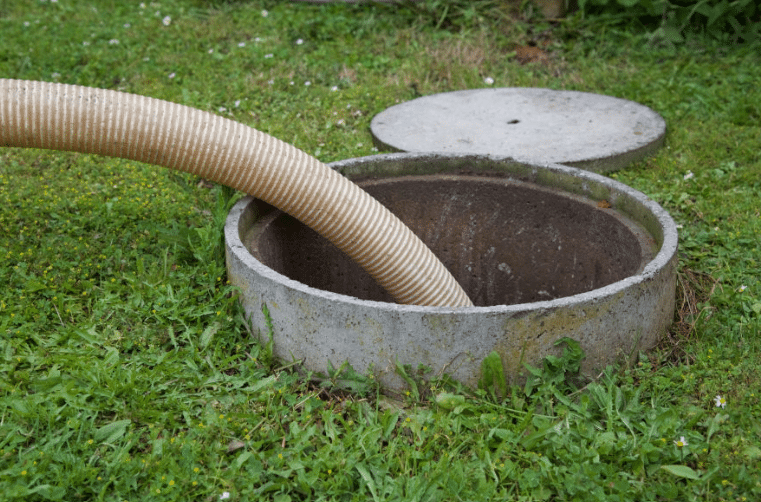
If you own a home in Lancaster County with a septic system, pumping your tank probably isn’t something you think about often until a slow drain or a bad smell forces the issue. But septic tank pumping is one of those maintenance tasks that pays for itself many times over. A little attention every few years prevents the kind of backup that turns into an emergency septic repair call on a Saturday night.
Here’s what Lancaster homeowners need to know: how often to pump, what it typically costs, the signs your tank needs attention now, and who to call when it’s time.
Contents
- Why Septic Tank Pumping Matters
- How Often Should You Pump Your Septic Tank in Lancaster, PA?
- How Much Does Septic Tank Pumping Cost?
- Signs Your Septic Tank Needs Pumping Now
- Your septic and sewer systems deserve expert care. Trust Tri-County Water Services for fast, reliable, and transparent services that ensure your system stays trouble-free across PA and MD.
- What Happens During a Septic Pumping Visit
- Preventing Problems Between Pumpings
- When Sewer Pumping Is Also Needed
- Who to Call for Septic Services in Lancaster
- Frequently Asked Questions
- / Author
- Brent D. Hershey
- Orenco Rep, Educator
Why Septic Tank Pumping Matters
A septic tank works by separating solids from wastewater. Solids settle to the bottom and form sludge, while lighter materials like grease and oils float to the top as scum. The liquid in between flows out to your drain field for further treatment in the soil.
Over time, that sludge layer builds up. If it’s never removed, it eventually takes up so much space that solids start flowing out with the liquid into the drain field, where they don’t belong. Once solids reach the drain field, they can clog the soil and pipes, and at that point you’re not looking at a simple pump-out anymore. You’re looking at a drain field repair or replacement, which is a far bigger expense.
Regular septic tank pumping is what keeps that sludge layer in check, protects your drain field, and keeps the whole system working the way it’s supposed to.
How Often Should You Pump Your Septic Tank in Lancaster, PA?
For most households, every three to five years is the standard recommendation. But the right interval for your home depends on a few factors:
- Household size. More people means more wastewater and faster sludge buildup.
- Tank size. A smaller or older tank fills up faster than a newer, larger one.
- Water usage habits. Frequent laundry, long showers, and running a garbage disposal all add to the load.
- What goes down the drain. Flushing wipes, feminine products, or excess grease shortens the time between pumpings.
If you’re not sure where your household falls, a local septic services provider can inspect your tank, measure the sludge and scum layers, and recommend a schedule based on your actual usage rather than a generic estimate.
How Much Does Septic Tank Pumping Cost?
Pricing for septic tank pumping in Lancaster, PA varies based on tank size, accessibility, and how much material needs to be removed. A tank that’s overdue for service, buried under landscaping, or hard to access will generally cost more to pump than a well-maintained system with an easy-to-reach lid.
The most reliable way to control your costs long-term is consistency. Sticking to a regular pumping schedule keeps each visit routine and predictable, rather than facing a larger bill down the road for a tank that’s badly backed up or a drain field that’s failed. A quick call to a trusted Lancaster septic company will get you an accurate quote based on your specific system.
Signs Your Septic Tank Needs Pumping Now
Even with a regular schedule, it’s worth knowing the warning signs that your tank needs attention sooner rather than later:
- Slow drains throughout the house, not just in one sink or tub
- Gurgling sounds coming from pipes when you flush or run water
- Sewage odors near the tank, drain field, or inside the home
- Standing water or unusually lush, green grass over the drain field
- A sewage backup into a toilet, tub, or basement drain
Any one of these, especially a backup, is worth a call the same day. Left alone, these symptoms tend to escalate quickly, and what starts as a routine pumping need can turn into an emergency septic repair.
What Happens During a Septic Pumping Visit
A typical visit is straightforward. A technician locates the tank (or uses existing access points if you have them), removes the lid, and uses a vacuum truck to pump out the sludge, scum, and liquid. Most reputable septic services will also do a quick visual inspection while they’re there checking the tank walls, baffles, and inlet/outlet pipes for cracks, damage, or blockages. This is a good opportunity to catch small issues, like a cracked baffle or a root intrusion, before they become bigger problems.
If it’s been several years since your last inspection, it’s worth asking about a full septic inspection at the same time. This gives you a clearer picture of your system’s overall health, not just the tank.
Preventing Problems Between Pumpings
Regular pumping is the foundation of septic maintenance, but a few daily habits go a long way toward extending the life of your system between visits:
- Avoid flushing anything other than toilet paper no wipes, paper towels, or feminine products
- Space out heavy water use (laundry, dishwashing) rather than running everything at once
- Keep grease and food scraps out of drains
- Avoid parking or driving over the tank and drain field
- Don’t plant trees or shrubs with aggressive root systems near the drain field
These small choices reduce strain on your system and help your tank hold up between scheduled pumpings.
When Sewer Pumping Is Also Needed
Septic tank pumping addresses the tank itself, but some properties particularly those with connections to a municipal system, low-lying lots, or homes with basement plumbing below the sewer line also need sewer pumping to move wastewater uphill or through a longer run before it reaches the tank or municipal line. If your home has a pump station or ejector pump as part of its system, that equipment needs its own periodic maintenance and pumping schedule, separate from the septic tank.
Who to Call for Septic Services in Lancaster
Not every plumbing company has real septic expertise. When you’re choosing who handles your septic tank pumping, look for a provider with dedicated septic and sewer experience, transparent pricing, and the ability to respond quickly if a routine visit turns up something more serious or if you’re facing an outright emergency.
Tri-County Water Services has been serving homeowners throughout Lancaster and the surrounding Pennsylvania and Maryland communities with septic tank pumping, inspections, and emergency septic repair. We show up on schedule, keep pricing straightforward, and treat every tank like it’s the only one that matters that day.
Ready to schedule septic tank pumping, or dealing with an issue now? Call Tri-County Water Services at 610-857-1740.
Frequently Asked Questions
1. How often should I pump my septic tank in Lancaster, PA?
Most homes need septic tank pumping every three to five years, but the right interval depends on household size, tank size, and water usage. A local septic services provider can recommend a schedule specific to your system.
2. What’s the average cost of septic tank pumping?
Cost depends on tank size, accessibility, and how much sludge and scum need to be removed. Tanks that are overdue or hard to access typically cost more, which is why staying on a regular schedule helps keep costs predictable.
3. What are the signs that my septic tank needs to be pumped?
Slow drains throughout the house, gurgling pipes, sewage odors, standing water over the drain field, and backups into toilets or tubs are all signs it’s time to call for service.
4. Can I wait longer than five years between pumpings if I don’t notice any problems?
It’s not recommended. Sludge buildup happens gradually and isn’t always obvious from the surface. Waiting too long increases the risk of solids reaching the drain field, which can cause much costlier damage than a routine pump-out.
5. Is septic tank pumping the same as a septic inspection?
Not quite. Pumping removes accumulated sludge and scum from the tank, while an inspection evaluates the overall condition of the tank, pipes, baffles, and drain field. Many providers can do both in the same visit.
6. Do I need sewer pumping in addition to septic tank pumping?
Only certain properties need it, typically homes with pump stations, ejector pumps, or plumbing situated below the main sewer or septic line. A technician can tell you whether your system includes this equipment and what maintenance it needs.
7. What should I do if I notice a sewage backup before my next scheduled pumping?
Stop using water in the house immediately and call for emergency septic repair right away. Backups tend to worsen quickly, and prompt attention limits the damage to your home and system.

