

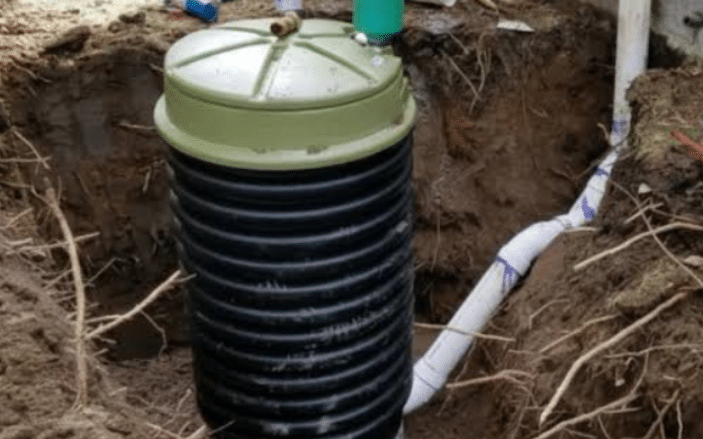
If you live in Chester County and rely on a grinder pump for septic, you already know it’s not something you think about until it stops working right. Grinder pump repair becomes urgent fast, because this small piece of equipment handles every drop of wastewater leaving your home before pushing it uphill to the sewer main or septic tank. Chester County’s mix of rolling hills, older rural properties, and finished basements means a lot of homes here depend on grinder pumps that gravity alone can’t serve. When one starts acting up, the difference between a routine service call and a flooded basement often comes down to how quickly you catch the warning signs. Here are five problems you should never wait on, plus what to do if you’re already staring down an emergency septic repair.
Contents
- 1. Why Won’t My Grinder Pump Alarm Stop Sounding?
- 2. Sewage Odor Around the Pump Station or in Your Basement
- 3. Slow Drains Throughout the Whole House, Not Just One Fixture
- Your septic and sewer systems deserve expert care. Trust Tri-County Water Services for fast, reliable, and transparent services that ensure your system stays trouble-free across PA and MD.
- 4. Why Does My Grinder Pump Keep Cycling or Running Nonstop?
- 5. Your Grinder Pump for Septic Is Nearing (or Past) 10 Years Old
- When a Small Grinder Pump Problem Becomes an Emergency Septic Repair
- Get Your Grinder Pump Fixed Before It Becomes a Bigger Problem
- Frequently Asked Questions
- / Author
- Brent D. Hershey
- Orenco Rep, Educator
1. Why Won’t My Grinder Pump Alarm Stop Sounding?
A grinder pump alarm that keeps going off means the water level inside the basin is rising faster than the pump can handle it. That’s the direct answer, and it’s not one to sleep on. A steady red light or a buzzing sound is your system telling you it’s already behind.
A few things usually cause this. The float switch that tells the pump when to turn on can get stuck or coated in grease. The discharge line can be partially clogged. A tripped breaker or a GFCI outlet that’s shut off can cut power to the pump entirely, which is common after storms roll through Chester County in the spring and summer. Whatever the cause, most residential basins only hold about 30 to 50 gallons of emergency capacity once the alarm starts, which for an average household is just a few hours of normal water use before wastewater has nowhere left to go.
If your alarm is sounding, stop running water in the house, check the breaker, and call for grinder pump servicing right away. Waiting it out is how a fixable problem turns into a flooded basement.
2. Sewage Odor Around the Pump Station or in Your Basement
A grinder pump system that’s working correctly should stay sealed and odor free. If you’re catching whiffs of sewage near the pump basin, in your yard, or inside your basement, something in the seal has failed.
An ill-fitting lid, a cracked basin, or a broken gasket can all let sewage gas escape. In older Chester County properties, this sometimes shows up alongside a vent pipe that’s blocked or frozen, which pushes gas back into the house instead of venting it outside. Beyond the nuisance, sewage odor is a sign that wastewater may be escaping the sealed system entirely, which is both a health concern and a potential contamination risk for nearby wells or groundwater.
Don’t wait for the smell to get worse before calling someone out. A quick inspection usually tells us whether it’s a simple seal replacement or something bigger going on underground.
3. Slow Drains Throughout the Whole House, Not Just One Fixture
One slow drain is probably a local clog. Every drain in the house running slow at the same time points to the grinder pump struggling to keep up or blocked altogether.
Since the grinder pump is downstream of everything in your plumbing, a restriction there backs up the whole system rather than a single fixture. A few culprits show up again and again on service calls:
• Wipes, paper towels, or feminine products wrapped around the grinder blades
• Grease or cooking oil that solidified inside the basin
• Roots or debris restricting the discharge line
• A worn impeller that can no longer chop solids the way it used to
If flushing habits in your house need a refresher, our septic system services team can walk you through exactly what’s safe to send down the drain and what isn’t.
4. Why Does My Grinder Pump Keep Cycling or Running Nonstop?
A pump that cycles constantly or won’t shut off is usually dealing with a stuck float switch, a motor that’s wearing out, or a system that’s undersized for how much water the household actually uses. That’s the short version.
The longer version depends on what’s driving the extra demand. Heavy spring rain and a rising water table can overwhelm a basin that’s otherwise fine the rest of the year, which is a pattern we see often in the lower-lying parts of Chester County. A pump that runs constantly wastes electricity and puts extra wear on the motor, shortening its life well before it should need replacing.
Leaving it alone doesn’t fix it. A pump that’s straining today is a pump that’s likely to fail outright next month, usually at the worst possible time.
5. Your Grinder Pump for Septic Is Nearing (or Past) 10 Years Old
Most residential grinder pumps are built to last around 10 years with regular care. Once a system gets close to that mark, or has already passed it, the odds of a sudden failure climb fast even if it seems to be running fine.
Age-related wear shows up as more frequent cycling, louder operation, or a motor that strains to reach the pressure it needs to push wastewater uphill. If your pump is original to the house and you’re not sure how old it is, that’s worth finding out before it fails on its own schedule instead of yours. A septic and sewer inspection can tell you whether you’re looking at a simple repair or whether it’s smarter to plan a replacement now, on your terms, rather than during an emergency.
When a Small Grinder Pump Problem Becomes an Emergency Septic Repair
Any of the five signs above can turn into an emergency fast, especially if more than one shows up at once. Visible overflow near the pump lid, sewage backing up into a basement bathroom, or an alarm that won’t clear after you’ve checked the power all mean it’s time to stop troubleshooting and get a professional out.
• Stop using water in the house immediately
• Do not attempt electrical or mechanical repairs yourself
• Keep the area around the pump station clear so a technician can get to it fast
At Tri-County Water Services, we handle sewer pumping, grinder pump repair, and full sewage services throughout Chester County and the surrounding areas. Our technicians are upfront about pricing and show up ready to get your system back in working order the same day whenever possible.
Get Your Grinder Pump Fixed Before It Becomes a Bigger Problem
A grinder pump rarely fails without warning. The alarm, the odor, the slow drains, the constant cycling, and the age of the unit are all signs worth listening to. Catching the problem early is what keeps a repair simple instead of turning it into a flooded basement and a much bigger bill. If you’re seeing any of these five warning signs at your Chester County home, contact Tri-County Water Services and we’ll get a technician out to take a look.
Frequently Asked Questions
1.What is a grinder pump for septic and how is it different from a sump pump?
A grinder pump grinds solid waste from toilets, sinks, and appliances into a slurry, then pumps it uphill to a septic tank or municipal sewer line. A sump pump only moves groundwater away from a foundation and isn’t built to handle solid waste. If your home sits lower than the sewer line, a grinder pump is what keeps wastewater from backing up into the house.
2.How much does grinder pump repair typically cost?
Cost depends on what’s actually wrong. A stuck float switch or a clogged line is usually a straightforward, affordable fix, while a burned-out motor or a full replacement costs more. Emergency septic repair after hours or on weekends tends to run higher than a scheduled daytime visit, so catching problems early keeps costs down.
3.How long does a grinder pump last before it needs replacement?
Most residential grinder pumps last around 10 years with routine maintenance. Pumps that run constantly, sit on a shared electrical circuit, or receive items they shouldn’t tend to wear out sooner. Annual inspections help you get the full lifespan out of the unit.
4.Is a sounding grinder pump alarm always an emergency?
Not always, but it should never be ignored. Sometimes a tripped breaker or a stuck float clears the alarm once power is restored or the switch is freed. If the alarm keeps sounding after you’ve checked the basics, treat it as urgent and call for service before wastewater has nowhere left to go.
5.What should I do to avoid flushing to protect my grinder pump?
Keep wipes of any kind, paper towels, feminine products, dental floss, cat litter, grease, and cooking oil out of drains and toilets connected to a grinder pump. These items wrap around the grinder blades or solidify in the basin, which is one of the most common reasons pumps fail early.
6.Do you offer emergency septic repair in Chester County?
Yes. Tri-County Water Services provides emergency septic and grinder pump repair throughout Chester County along with Berks, Lancaster, and Delaware Counties in Pennsylvania and into Maryland. We’re based right in Parkesburg, so we know the area’s septic systems well.
7.Can I reset my grinder pump alarm myself, or do I need a professional?
You can safely check the breaker and any GFCI outlet, since a simple power interruption sometimes clears the alarm on its own. Beyond that, avoid opening the pump basin or attempting mechanical repairs yourself. Grinder blades and sewage gas both pose real safety risks, so a licensed technician should handle anything past the basic power check.

