Septic systems are a vital part of many homes, especially those located in rural or suburban areas. However, just like any home system, they can experience problems. One of the most common and most unpleasant issues is a septic tank backup. If you’ve ever experienced a septic tank backup, you know it can be a stressful and dirty situation. In this blog post, we’ll guide you through the process of dealing with a septic tank backup, how to handle emergency septic repair, and when to call for professional septic services. We’ll also cover the importance of sewer pumping and residential sewer line repair to help avoid future issues.
What is a Septic Tank Backup?
A septic tank backup occurs when waste and wastewater from your home cannot properly flow into the septic tank or drain field. This blockage causes sewage to back up into your home’s drains, resulting in a nasty, potentially hazardous situation. The backup can affect toilets, sinks, bathtubs, or even your yard if the septic system is overwhelmed or malfunctioning.
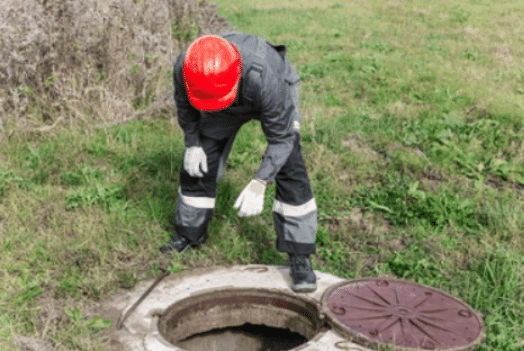
The causes of a septic tank backup can vary. Some common causes include:
- Full Septic Tank: If your septic tank hasn’t been pumped in a while, solids can build up, causing a blockage.
- Clogs in the Sewer Line: Debris, grease, and non-biodegradable materials can cause clogs in the residential sewer line.
- Damaged Sewer Lines: Cracked or broken pipes can obstruct the flow of waste, causing backups.
- Tree Root Invasion: Roots can infiltrate and damage sewer lines, blocking the flow.
- Improper Waste Disposal: Flushing non-degradable materials (like wet wipes or feminine products) can cause blockages in your septic system.
Why Is Emergency Septic Repair Necessary?
When a septic tank backs up, it’s not just a nuisance; it can be a health hazard. Raw sewage in your home or yard can lead to dangerous bacteria, viruses, and pathogens spreading. Emergency septic repair becomes necessary to address the backup immediately to avoid further damage and contamination. The longer you wait, the worse the situation will get, leading to more costly repairs.
It’s crucial to act quickly and contact a professional that provides 24/7 septic repair services. Emergency septic repair involves assessing the cause of the backup, diagnosing the issue, and fixing it promptly to prevent any further damage to your property and septic system.
How to Recognize a Septic Tank Backup?
Knowing the signs of a septic tank backup can help you act before the situation gets worse. Look out for the following indicators:
- Foul Odor: A strong, unpleasant smell coming from your drains, toilets, or yard may indicate a backup.
- Slow Draining: If your sinks, tubs, or toilets drain slowly or back up after flushing, it could be a sign of a septic issue.
- Sewage Backup in the House: The most obvious sign is raw sewage backing up into your home through drains or toilets.
- Pooling Water in the Yard: If you notice pools of water or sewage around your septic tank or drain field, this could be a sign of a clog or septic failure.
What to Do When Your Septic Tank Backs Up?
If you’re dealing with a septic tank backup, don’t panic! Here’s a step-by-step guide on what to do:
- Stop Using Water: Immediately stop using water in your home to prevent the problem from getting worse. Don’t flush toilets or use sinks, showers, or washing machines until the issue is resolved.
- Assess the Situation: Try to determine where the backup is coming from. If water is pooling in the yard or sewage is visible near your septic tank, it could indicate a problem with the tank or drain field. If it’s happening inside the house, the issue is likely within your plumbing or sewer line.
- Call for Emergency Septic Repair Services: Contact a septic repair company that offers emergency services. If you’re looking for a septic service near me, it’s essential to choose a reputable provider experienced with septic tank issues and residential sewer line repair.
- Avoid DIY Fixes: While there are DIY solutions available for minor issues, septic systems are complex, and improper repairs can make the situation worse. Leave the repairs to professionals who are trained to handle septic emergencies.
The Importance of Sewer Pumping and Regular Maintenance
Prevention is always better than cure, and regular maintenance of your septic system can help avoid a backup in the first place. One of the key components of this maintenance is sewer pumping. Here’s why it’s important:
- Prevents Clogs and Backups: Regular sewer pumping helps remove accumulated solids from the septic tank, reducing the risk of blockages in the system.
- Improves System Efficiency: When your septic tank is pumped regularly, it operates more efficiently, reducing the risk of system failure.
- Increases Lifespan: Regular maintenance extends the lifespan of your septic system, saving you money on repairs or replacement.
If you’re wondering “where can I find sewer pumping near me?”, make sure to choose a service provider with experience in septic systems. The best companies offer 24/7 septic repair and can help keep your system running smoothly.
How to Avoid Septic Tank Backups in the Future?
While emergencies can happen, you can reduce the likelihood of a septic tank backup by following a few essential tips:
- Pump Your Septic Tank Regularly: Have your septic tank pumped every 3-5 years, depending on the size of the tank and the number of people in your home.
- Watch What You Flush: Avoid flushing non-degradable materials like wet wipes, paper towels, and chemicals down the toilet. These materials can clog your septic system and cause backups.
- Plant Trees Away from Sewer Lines: Roots from trees and shrubs can invade your sewer lines, causing damage and blockages. Be mindful of where you plant.
- Check for Leaks or Damage in Sewer Lines: Regularly inspect your sewer lines for leaks or damage that could cause sewage to back up.
- Get Professional Inspections: Schedule periodic inspections with a septic service provider to check for any potential issues.
What to Expect from Emergency Septic Repair
When you call for emergency septic repair services, here’s what you can expect:
- Immediate Response: A 24/7 septic repair company will respond quickly to address your septic backup. Many companies offer emergency services to ensure they’re available when you need them the most.
- Comprehensive Inspection: The technician will inspect your septic tank and sewer lines to determine the cause of the backup. They’ll look for clogs, damage, or other issues affecting your system.
- Repair and Cleaning: Once the problem is identified, the technician will perform necessary repairs, which may include clearing blockages, repairing broken pipes, or replacing damaged parts of the system.
- Post-Repair Recommendations: After the repair, you may be given tips for avoiding future backups and maintaining your septic system.
Conclusion
Dealing with a septic tank backup can be stressful, but with the right information and prompt action, you can minimize the damage. Regular maintenance, sewer pumping, and professional emergency septic repair services can keep your system running smoothly and help prevent future backups. If you experience a septic issue, don’t hesitate to contact a trusted provider for 24/7 septic repair to ensure your home is safe and functional.
FAQs About Emergency Septic Repair
1. How do I know if my septic tank is backed up?
Look for signs like slow draining toilets and sinks, foul odors, or sewage backing up into your home. If you see pooling water in your yard near the septic tank, this could also be an indicator.
2. How often should I pump my septic tank?
Typically, septic tanks should be pumped every 3-5 years, depending on the size of the tank and the number of people using it.
3. Can I handle a septic backup myself?
It’s not advisable to handle a septic backup on your own. It’s best to contact a professional for emergency septic repair to ensure the issue is properly resolved.
4. How do I find septic services near me?
You can search online for septic services near me or ask for recommendations from neighbors or local contractors. Make sure to choose a company that offers emergency services and has a good reputation.
5. What causes septic tank backups?
Septic tank backups can be caused by a full tank, clogs in the sewer line, damaged pipes, or tree roots blocking the system. Improper waste disposal can also contribute to backups.
6. Is septic repair expensive?
The cost of septic repair depends on the severity of the issue. Minor clogs may cost less to fix, while extensive repairs (such as broken pipes or drain field issues) can be more expensive.
7. Can tree roots cause a septic backup?
Yes, tree roots can invade sewer lines, causing clogs or damage that leads to septic backups. It’s important to plant trees away from sewer lines.
8. How do I prevent septic tank backups?
Regular maintenance, including pumping your septic tank and avoiding flushing non-biodegradable items, can help prevent backups. Inspecting sewer lines for damage can also prevent issues.

