

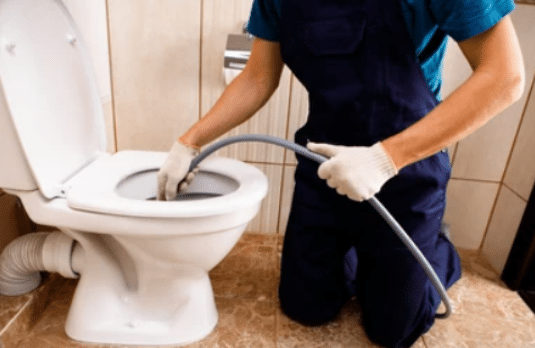
It’s a situation everyone dreads; you walk up to flush your toilet and something doesn’t seem quite right. Whether it’s a sluggish flush, gurgling noise or an outright sewage backup in your bathroom, you probably have the thought, “What exactly is happening to my plumbing?” While these issues can feel like isolated ones that are happening to you, they could be indicative of something much more serious: your sewer line.
Because your toilet is an important component of your home’s plumbing system, it typically provides the earliest indicators when something is wrong. Knowing these indicators can prevent larger problems later down the road, such as severe sewage backups or expensive sewer line repairs. While none of this is particularly pleasant to think about, we’re going to take a look at what your toilet plumbing might be trying to tell you about your sewer line and answer why it really pays to pay attention before the problem gets out of control.
Contents
- How Your Toilet Hooks Up to the Sewer System
- Toilet Backup and Overflowing
- Gurgling Sounds from the Toilet
- Slow Flushing Toilet
- Foul Odors in the Bathroom
- Clogged Drains Throughout the Home
- Water Back Up in Other Fixtures
- Frequent Toilet Clogs
- Water Level in the Bowl is Low
- What to Do If You See These Symptoms?
- Conclusion
- Leaking pipes or basement flooding? No need to stress! Our skilled team will quickly solve your plumbing issues, restoring your home's peace of mind.
- FAQs
- / Author
- Brent D. Hershey
- Orenco Rep, Educator
How Your Toilet Hooks Up to the Sewer System
First and foremost, how the plumbing of your toilet is connected to that of the sewer line really matter. Toilets are just one component of your home’s waste drainage system that transports wastewater and sewage into the sewer line from all your drains, sinks and toilets. The sewer line is the main drainpipe in your house that runs from one of your household drains to the perimeter of your property. Having a problem with the toilet can often signify that there is either a clog or some other issue in your sewer line.
If you have noticed any of the following signs, your sewer line may be trying to tell you something. Let’s take a look at some of the most common signs that your toilet plumbing might be tied to a sewer line issue.
Toilet Backup and Overflowing
Overflowing Toilet One of the clearest indicators that there is an issue with your plumbing is when your toilet overflows. If you’ve already plunged the toilet and have watched as the water fills back up, then you may have a main sewer line clog on your hands. Thus, when the sewer line is clogged, wastewater can’t pass through and it will back up into your toilet.
It may be in your home’s pipes, but in many cases the clog is in one of the main sewer lines. In this situation, social sewage services near me can help to clear the toilet backup immediately and determine whether the problem is deeper inside your plumbing system.
Gurgling Sounds from the Toilet
Heard some weird gurgling noises when you flush your toilet or use the sink? These sounds represent more than just a weird phenomenon. They usually indicate that air is being caught somewhere in the plumbing system. If the sewer line is obstructed or even only partially blocked, water can’t drain properly creating areas of air within your pipes. This trapped air will make the toilet gurgle or bubble.
You take note of this sound daily then it’s crucial you call in a plumber to have your sewer line scrutinized since that may be the first indication of clog within your main sewer line and might go on to cause more serious issues along the way.
Slow Flushing Toilet
An obvious warning sign that your toilet is in trouble is a slow-flushing toilet. When you flush, the water rounds the base of your feet in a torturously leisurely fashion or doesn’t come down at all and waste remains behind. While this may simply indicate a clog in the toilet itself, it can also be an indication that your sewer line is partially blocked. When there’s a clog in your sewer line, it can make it difficult for water and waste to travel down, which can result in slow drainage.
It’s possible there could be a larger sewer line repair required if the toilet flushes and drains slowly. It’s a good idea to clear it up pronto so it doesn’t develop into a total clog.
Foul Odors in the Bathroom
When you first observe foul smells or sewage odors emanating from your bathroom or toilet, it is a sure sign that there may be a problem with your sewer line. A damaged or blocked sewer line can imprison waste in the plumbing, resulting in foul odors that can infiltrate your bathroom and home. The smells could even waft into other parts of your home.
The solution to this problem is advantageously calling in a sewer line repair professional to eliminate root problems. They are able to pinpoint what’s wrong and fix it.
Clogged Drains Throughout the Home
If multiple fixtures in your house are slow to drain, like the sink and bathtub as well as floor drains, it’s a pretty good indicator that you have a sewer line blockage or break. Sewer line issues will usually be an issue with all drains that are attached to the specific sewer line. So if your toilet, sink and tub are all backed up, it might not be your “body of standing or running water” that’s to blame but rather a larger-scale problem with the main sewer line.
In such situations, it is important to opt for residential sewer line repair services. An experienced plumber will look into your sewer line and eliminate any obstructions that may be restricting effective waste disposal.
Water Back Up in Other Fixtures
If you spot water backing up in your other fixtures like the bathtub or sink when you flush, this is a red flag that your sewer line might be clogged or damaged. It happens when an obstruction in a sewer line causes wastewater to come up through a drain. This can create some pretty bad situations, particularly when waste water starts to flood back up into the tub or sink.
This is not just a plumbing problem, it is a sanitation issue. It is important to deal with the issue as soon as possible by contacting a plumber to fix your broken sewer line.
Frequent Toilet Clogs
For example, if your toilet is becoming regularly clogged for no reason due to items other than those that should be properly flushed down the line, then it could indicate a sewer line issue. If you’re dealing with multiple clogs, it could be a sign that your main sewer line is backed up and can’t properly facilitate the waste and water throughout your home. The issue only gets worse over time causing more serious problems such as toilet backups and gurgling noises.
Preventative plumbing for toilets and sewer line inspections can help catch issues before they become larger, more costly repairs down the road.
Water Level in the Bowl is Low
A low water level in your toilet bowl is another uncertain sign of trouble with a sewer line. If the water level is low or seems to fluctuate, this could be an indication of partial blockages in the line, a common sign that it’s obstructed by tree roots or a collapsed sewer line dating back to its installation date.
This issue may also indicate venting problems or a main plumbing blockage. You’re best off having a professional plumber diagnose the problem.
What to Do If You See These Symptoms?
If you experience any of these symptoms, it is best to move fast. Ignoring these warning signs may cause more severe problems such as blocked sewer lines, damaged property and expensive repairs.
Here are a few things you can do:
- Call a Plumber: When you observe any issues with your toilet plumbing, call the professionals right away. They’ll be able to inspect it fully, diagnose where the issue is stemming from and advise what would be your best move. They might employ sophisticated tools, such as video inspection to determine the shape of your sewer line.
- Steer Clear of DIY Fixes: We understand the lure of wanting to try a fix on your own, but sewer line problems are complex and need specific tools and knowledge. DIY fixes can actually cause more issues and result in even more expensive repairs.
- Ask For a Sewer Line Inspection: If you are having repeat problems with the toilet, it is time to consider a professional sewer line inspection. This preventative action can reveal issues before they develop into larger concerns.
- Routine Maintenance: To save yourself from future plumbing miseries, be sure to schedule annual sewer line cleaning and inspections. This will also help keep your system in shape and prevent blockages from forming.
Conclusion
Here are a few tips on avoiding expensive sewer line repairs, as well some telltale signs your toilet may be trying to communicate. You could end up saving yourself a small fortune by avoiding becoming complacent with maintaining your locks and seeking help as soon as you can. So if you experience any toilet issues, don’t dismiss it, your sewer line is trying to tell you something!
For professional assistance, you may get in touch with Trico Water for expert plumbing services such as toilets plumbing, sewer line repairs and other plumbing. Don’t waste time, just call us to get your peace of mind.
FAQs
1.How can I tell if my sewer line needs to be repaired.
Some repeated symptoms you may be seeing that can also mean it’s time to have your sewer line repaired include toilet backups, gurgling sounds and slow flushes. You can have a plumber out to check your sewer line and see what’s going on, exactly.
2.What is the cause of a main sewer line clog?
Root infiltration, grease buildup and foreign objects have led the list of main sewer culprits over the years. These blockages block waste movement leading to backups within your pipes.
3.Is a toilet backup something I can do myself?
Small clogs can often be cleared using a plunger, while large backups that reach to the sewer line should always be addressed by a professional plumber. Trying to fix them could make matters worse.
4.How much does it cost to repair a sewer line?
Sewer line repair costs are determined based on the nature and extent of repairs. A minor repair may be several hundred dollars, while more extensive work such as replacing the sewer line can run into the thousands.
5.What is the residential sewer line repair?
Residential Sewer Line Repair: Residential sewer line repair is the process of repairing a problem with the sewer line that connects a home’s plumbing system to the main, city or municipal sewer. This may mean unblocking obstructed pipes, replacing damaged pipes or repairing leaks.
6.How do I keep my sewer lines from getting clogged?
With frequent maintenance, not flushing the wrong items down the drain and some vigilance, you can avoid sewer lines problems.
7.What is a sewage services near me?
Local Sewage Services Near You Local sewage services near you are locally based plumbing businesses who specialize in sewer line repair, maintenance and cleaning. Try a good plumber with experience in clearing sewer line problems.
8.Will a plugged sewer line cause flooding?
Yes, a clogged sewer line can cause water to back up into your home either up through the drains in your floor or overflow from sinks or toilets. If that occurs, don’t wait call a plumber right away to avoid significant damage.

