

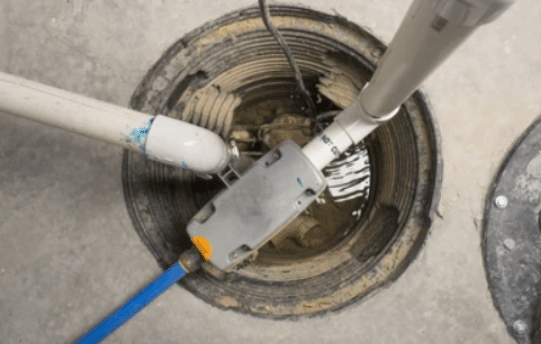
A sump pump is one of the most important systems protecting your home from basement flooding and water damage. Many homeowners do not think about it until there is a heavy rainstorm, snowmelt, or plumbing emergency. Unfortunately, that is often the exact moment a failing sump pump stops working.
If your pump suddenly fails during severe weather, the result can be costly water damage, ruined flooring, mold growth, and expensive repairs. Knowing how long a sump pump last and recognizing the warning signs early can help you replace the system before disaster strikes.
For homeowners in Pennsylvania, especially areas prone to heavy rain and wet basements, regular inspections and timely replacement are essential. Tri-County Water Services helps homeowners identify aging sump pump systems, prevent flooding risks, and maintain reliable basement protection throughout the year.
Contents
- How Long Does a Sump Pump Last?
- Warning Signs Your Sump Pump May Be Failing
- 1. Strange Noises During Operation
- 2. Excessive Vibration
- 3. Continuous Running
- 4. Frequent Cycling
- 5. Visible Rust or Corrosion
- 6. Basement Moisture or Flooding
- 7. Power Problems or Tripped Breakers
- Common Reasons a Sump Pump Stops Working
- Power Failure
- Float Switch Problems
- Clogged Discharge Lines
- Old Motor Components
- Improper Installation
- Why Pennsylvania Homes Need Reliable Sump Pump Systems
- When to Replace Sump Pump Systems
- The Importance of Backup Sump Pump Systems
- Simple Maintenance Tips to Extend Sump Pump Life
- Professional Sump Pump Services in Chester County
- Leaking pipes or basement flooding? No need to stress! Our skilled team will quickly solve your plumbing issues, restoring your home's peace of mind.
- FAQs
- / Author
- Brent D. Hershey
- Orenco Rep, Educator
How Long Does a Sump Pump Last?
One of the most common questions homeowners ask is, “How long does a sump pump last?”
On average, a properly maintained sump pump lasts between 7 and 10 years. However, the actual lifespan depends on several factors, including:
- Frequency of use
- Pump quality
- Installation quality
- Maintenance history
- Local groundwater conditions
- Power supply reliability
Homes in Pennsylvania often experience seasonal storms, snowmelt, and periods of heavy rainfall, which can place additional strain on sump pump systems. A pump that runs frequently may wear out faster than one used only occasionally.
Even if the pump still appears functional, older units can fail without warning when they are needed most.
Warning Signs Your Sump Pump May Be Failing
Many homeowners ignore small warning signs until their basement floods. Paying attention to unusual behavior can help you determine when to replace sump pump systems before they stop working completely.
1. Strange Noises During Operation
Grinding, rattling, or vibrating sounds may indicate worn motor components or damaged internal parts. Sump pumps should operate relatively quietly. Unusual noises often suggest the unit is nearing the end of its lifespan.
2. Excessive Vibration
If the pump shakes excessively while running, the impeller could be damaged. This can reduce efficiency and eventually lead to complete failure.
3. Continuous Running
A sump pump that never shuts off may have a stuck float switch, improper sizing, or drainage problems. Continuous operation places excessive stress on the motor and shortens system life.
4. Frequent Cycling
If the pump turns on and off too frequently, the system may be improperly sized or experiencing switch issues. Short cycling increases wear and tear on the motor.
5. Visible Rust or Corrosion
Rust around the pump housing or discharge line may indicate aging components or bacterial buildup. Corrosion can weaken critical parts and reduce reliability.
6. Basement Moisture or Flooding
If water remains in the sump pit or the basement feels damp despite the pump running, the system may no longer be operating efficiently.
7. Power Problems or Tripped Breakers
Electrical issues are another sign of a failing system. If the breaker trips repeatedly or the unit loses power often, professional inspection is recommended.
Common Reasons a Sump Pump Stops Working
A sump pump not working can happen for several reasons. Understanding the most common causes can help homeowners act quickly before major flooding occurs.
Power Failure
Heavy storms often cause power outages, which can disable the pump entirely unless a backup battery system is installed.
Float Switch Problems
The float switch activates the pump when water rises in the pit. If it becomes stuck, tangled, or damaged, the pump may fail to turn on.
Clogged Discharge Lines
Dirt, debris, frozen pipes, or tree roots can block the discharge line, preventing water from exiting properly.
Old Motor Components
Like any mechanical system, sump pump motors wear down over time. Older pumps may suddenly fail under heavy demand.
Improper Installation
Poor installation can lead to drainage issues, constant cycling, or reduced pump performance.
Why Pennsylvania Homes Need Reliable Sump Pump Systems
Homeowners searching for sump pump maintenance Pennsylvania services often deal with wet basements due to regional weather conditions. Chester County and surrounding Pennsylvania areas experience:
- Heavy seasonal rainfall
- Snow and ice melt
- High groundwater levels
- Storm related flooding
These conditions place constant pressure on sump pump systems, especially in older homes or properties with poor drainage.
Routine maintenance and timely replacement help reduce the risk of unexpected flooding during major weather events.
When to Replace Sump Pump Systems
Many homeowners wait until their system completely fails before replacing it. Unfortunately, waiting too long can lead to basement flooding and emergency water damage restoration costs.
You should consider sump pump replacement Chester County services if:
- Your pump is over 7 to 10 years old
- The system runs constantly
- You notice unusual noises or vibration
- The basement has experienced minor flooding
- The pump struggles during heavy rain
- Repairs are becoming frequent
- The float switch malfunctions repeatedly
Replacing the system proactively is often far less expensive than repairing water damage after a failure.
The Importance of Backup Sump Pump Systems
Even newer sump pumps can fail during severe storms or power outages. Many homeowners install backup systems for additional protection.
Backup options include:
- Battery backup sump pumps
- Water powered backup systems
- Secondary sump pump systems
These systems help protect your basement during emergencies when the primary unit stops working.
Simple Maintenance Tips to Extend Sump Pump Life
Regular maintenance can improve performance and help extend the lifespan of your system.
Here are a few important maintenance steps:
- Test the pump every few months
- Clean debris from the sump pit
- Inspect the float switch
- Check discharge lines for clogs
- Verify proper drainage away from the home
- Schedule annual professional inspections
Routine care can reduce the risk of sudden failure during storms or heavy rain.
Professional Sump Pump Services in Chester County
If your system is aging, making unusual noises, or struggling during storms, it may be time for professional inspection.
Tri-County Water Services provides professional sump pump inspections, maintenance, repairs, and replacement services for homeowners throughout Pennsylvania. Our experienced team helps identify early warning signs, improve drainage protection, and recommend reliable replacement systems designed for long term performance.
Whether you need emergency repairs or proactive replacement, professional service can help protect your basement from costly water damage.
FAQs
Q. How long does a sump pump last on average?
Most sump pumps last between 7 and 10 years depending on maintenance, usage frequency, and installation quality.
Q. What are the signs of a sump pump not working properly?
Common signs include unusual noises, excessive vibration, continuous running, short cycling, basement moisture, or failure to activate during heavy rain.
Q.When should I replace my sump pump?
You should consider replacement if the pump is over 7 years old, experiences frequent problems, or struggles to keep up during storms.
Q.Can a sump pump fail without warning?
Yes. Older sump pumps can suddenly stop working, especially during severe weather or power outages.
Q.Why is sump pump maintenance important in Pennsylvania?
Pennsylvania homes often experience heavy rain, snowmelt, and high groundwater levels, which place extra stress on sump pump systems.
Q.How often should a sump pump be inspected?
Professional inspections are recommended at least once a year to identify wear, clogs, or electrical issues before major problems occur.
Q.Should I install a backup sump pump system?
Backup systems provide additional protection during power outages or primary pump failures and are highly recommended for flood prone basements.
Q.What causes a sump pump to run continuously?
Continuous operation may result from a stuck float switch, clogged drainage, high groundwater levels, or an improperly sized pump.
Q.Can I replace a sump pump myself?
Some homeowners attempt DIY replacement, but professional installation helps ensure proper sizing, drainage setup, and reliable operation.
Q.What happens if a sump pump fails during a storm?
A failed sump pump can lead to basement flooding, mold growth, damaged flooring, and expensive water restoration repairs.

