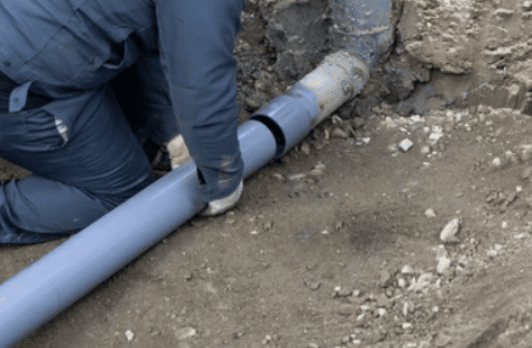
There’s a moment every homeowner dreads. You flush the toilet and the water rises instead of going down. Or you catch a whiff of something foul coming from your yard on a perfectly nice afternoon. Or your drains have been sluggish for weeks and no amount of store-bought drain cleaner seems to fix anything for more than a day or two.
At Tri-County Water Services, we get calls like this all the time. And one of the most common questions we hear is: “Can this be repaired, or do I need a full replacement?” It’s a fair question, and the honest answer is that it depends on what’s actually going on underground.
This guide is here to help you understand the warning signs, figure out when a patch job just won’t cut it anymore, and know what your options are when it comes to sewage line replacement, grinder pumps, sump pump repair, and more.
When a Repair Makes Sense
Not every sewer or septic issue calls for a full replacement. If you’re dealing with a single isolated clog, a small section of damaged pipe, or a minor root intrusion that hasn’t spread far, a targeted repair is often all you need. A professional camera inspection can tell you exactly where the problem starts and stops, which makes a big difference in deciding how to move forward.
Simple blockages in the plumbing for toilets or drains can sometimes be cleared with hydro jetting or snaking. A cracked joint that’s caught early might be handled with a pipe liner or a spot repair rather than tearing up your yard entirely. These are all situations where a skilled technician can fix the issue at a reasonable cost without a major project.
When Replacement Becomes the Smarter Choice
Here’s the hard truth: some systems are just too far gone to keep patching. If you’re calling for sewer pumping near me every few months, that’s a red flag. Repeated clogs, backups, and foul odors that keep returning even after service usually mean there’s a bigger structural problem that a temporary fix won’t solve.
Signs that you may need a sewage line replacement include:
Persistent sewage backups. If your toilets, sinks, or floor drains are backing up regularly, especially in multiple spots at once, the main sewer line may be compromised.
Sunken or soggy patches in your yard. When a sewer or septic line is leaking underground, the surrounding soil absorbs the moisture. You’ll often notice a patch of grass that’s unusually green or ground that feels soft and spongy when you walk on it.
Foul smells around your property. A properly functioning sewer or septic system should be completely sealed. If you’re smelling sewage near your home or in your yard, something is cracked or broken.
Old pipe material. Homes built before the 1980s may still have clay or cast iron sewer lines that have simply reached the end of their lifespan. These materials crack, corrode, and collapse over time. No repair can overcome decades of deterioration.
Tree root invasion. Roots are relentless. A small crack in a pipe becomes an open invitation, and roots will eventually split a line apart from the inside. If the root intrusion is severe or spread across a long section of pipe, replacement is usually more cost-effective than continuous repairs.
Understanding Your Septic System
If your home runs on a private septic system rather than a municipal sewer line, the same basic principle applies: maintenance and timely repairs extend the life of your system, but there comes a point where a full septic system service overhaul is the only responsible path forward.
A healthy septic system needs to be pumped every three to five years depending on household size. Skipping this maintenance leads to sludge buildup, which backs up into your home or saturates the drain field. Once a drain field is saturated, it typically cannot be restored. That means a much larger and more expensive project than a routine pump-out would have cost.
One component that homeowners on low-lying or complex terrain often deal with is the grinder pump for septic systems. These pumps grind solid waste into a slurry so it can be pushed uphill or over longer distances to the municipal sewer connection or septic tank. A failing grinder pump is not something to ignore. If it stops working, waste has nowhere to go, and you’ll know about it quickly. Regular inspection and timely replacement keep this part of your system running the way it should.
What About Your Sump Pump?
While a sump pump doesn’t handle sewage directly, it plays a critical role in protecting your basement and your plumbing infrastructure from water damage. A failed sump pump during a heavy rain event can flood your basement, weaken your foundation, and put unnecessary pressure on your sewer system.
If you’ve been searching for sump pump repair near me, don’t wait on it. These units have a lifespan of roughly seven to ten years, and they tend to fail at the worst possible time. If yours is making unusual noises, running constantly, or not activating when water levels rise, it needs attention before the next storm.
Why a Professional Inspection Matters
The only way to truly know the condition of your underground pipes is with a professional camera inspection. This tells you exactly what you’re dealing with, whether it’s a localized crack, widespread root intrusion, collapsed sections, or simply heavy buildup that’s narrowing the pipe. At Tri-County Water Services, we use this diagnostic step to give homeowners a clear picture before recommending any course of action. You deserve to know what you’re paying for and why.
Bottom Line
Your sewer and septic system work hard every single day without much recognition. When something goes wrong underground, it’s easy to hope the problem will sort itself out or that a quick fix will hold. Sometimes it does. But when the signs keep coming back, the smarter move is to find out what’s really going on and address it properly. That’s what we’re here for.
Tri-County Water Services is based in Parkesburg, PA, and has been helping homeowners throughout the region take care of their water and wastewater systems for years. Whether you need a routine septic pump-out, a full sewage line replacement, grinder pump service, or sump pump repair, our team is ready to help.
Frequently Asked Questions
Q: How do I know if I need sewage line replacement or just a repair?
A: If you’re dealing with a one-time clog or a small isolated crack, a repair is usually the right call. But if backups are happening frequently, multiple drains are affected at once, or a camera inspection reveals widespread damage or pipe deterioration across a long stretch, replacement is often the more cost-effective long-term solution.
Q: How often should I schedule sewer pumping near me?
A: For municipal sewer connections, routine maintenance and inspections every couple of years help catch issues early. For septic systems, most households need pumping every three to five years. If your household is larger or you’ve been experiencing issues, more frequent service may be necessary.
Q: What is a grinder pump for septic, and when does it need to be replaced?
A: A grinder pump grinds household waste into a fine slurry so it can be pumped to a sewer or septic tank, especially in homes where gravity flow isn’t possible. Signs it needs replacement include unusual noises, alarm lights activating, sewage odors near the pump station, or sewage backing up into the home. Most grinder pumps last 10 to 15 years with proper maintenance.
Q: What does full septic system service involve?
A: Comprehensive septic system service includes pumping the tank, inspecting the inlet and outlet baffles, checking the distribution box, evaluating the drain field, and assessing the overall condition of your system. At Tri-County Water Services, we serve homeowners throughout Pennsylvania and Maryland and can handle everything from routine maintenance to emergency repairs.
Q: How do I find reliable sump pump repair near me?
A: Look for a licensed plumbing and water services company with experience handling both residential and commercial systems. Tri-County Water Services covers Berks, Lancaster, Chester, and Delaware Counties and can assess your sump pump, recommend repairs, or install a new unit if needed.
Q: Can problems with plumbing for toilets indicate a larger sewer line issue?
A: Absolutely. A toilet that constantly runs slow, gurgles after flushing, or backs up repeatedly is often one of the first signs of a main sewer line problem. If just one toilet is acting up, it may be an isolated clog. If multiple toilets or drains in your home are sluggish at the same time, that points toward the main line.
Q: How long does a sewage line replacement typically take?
A: The timeline depends on the length of line being replaced, the method used (traditional excavation vs. trenchless), and the site conditions. A straightforward residential replacement can often be completed in one to two days. More complex jobs involving difficult terrain, older infrastructure, or permit requirements may take longer.
Q: What are the risks of delaying sewer or septic line replacement?
A: Putting off a needed replacement usually makes the situation worse and more expensive. A deteriorating line can collapse completely, contaminate your soil and groundwater, cause sewage to back up into your home, and create a health hazard for your family. Acting early, even when a problem seems manageable, is almost always the better financial and practical decision.
Q: Are there financing options available for sewer and septic work?
A: Yes. Tri-County Water Services offers financing options to help homeowners manage the cost of larger projects. Replacing a sewer or septic line is a significant investment, and we want to make sure cost isn’t the reason someone puts off necessary work.
Q: How do I get started with Tri-County Water Services?
A: Give us a call at 610-857-1740 or reach out through our website at tricowater.com. We serve homeowners throughout southeastern Pennsylvania and Maryland and are happy to schedule an inspection, answer your questions, or walk you through your options with no pressure.

