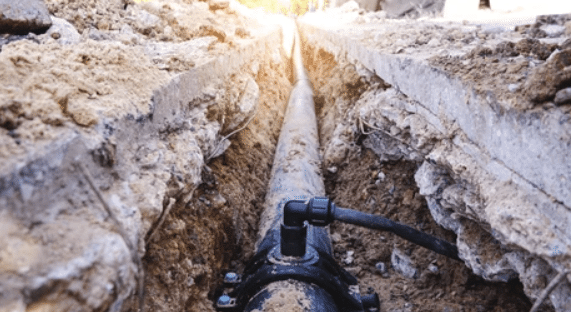
Your sewer line is one of the most essential components of your home’s plumbing system yet most homeowners rarely think about it until something goes wrong. Whether you’re facing slow drains, recurring backups, or foul odors in your yard, understanding when to repair versus replace your sewer line can help you make informed choices that save time, money, and future headaches.
At Tri-County Water Services, we provide expert sewer line repairs, sewer line replacements, and comprehensive plumbing support to keep your property’s wastewater system running smoothly. In this guide, we’ll take you through the differences between repair and replacement, when each option is appropriate, and how costs typically compare so you can make the right decision for your home.
Understanding Your Sewer Line
Your sewer line is the underground pipe that carries wastewater from your home’s drains toilets, sinks, showers, and laundry to the municipal sewer or septic system. When functioning properly, you never notice this hidden system. But when problems occur, they can disrupt daily life and pose health hazards if left untreated.
Common causes of sewer line issues include:
- Aging pipes that weaken over time
- Tree root invasion that cracks or blocks the line
- Ground shifting from soil movement
- Corrosion or material failure in older systems
- Heavy clogs or accumulation of debris
Identifying sewer line issues early through warning signs like persistent clogs or backups can make the difference between a relatively simple repair and a full sewage line replacement.
Sewer Line Repairs: What They Are and When They Make Sense
Sewer line repairs are targeted fixes designed to correct localized problems without replacing the entire pipe. Repairs are typically less expensive in the short term and can be very effective when the damage is limited.
When Sewer Line Repairs Are Appropriate
You might opt for sewer line repairs if:
- The damage is small or isolated
- There are minor cracks or leaks
- Blockages are due to tree roots or debris
- A camera inspection reveals limited issues
These types of repairs can range from hydro-jetting to remove buildup, snaking to clear clogs, to trenchless fixes like pipe lining where a new inner lining is inserted inside the damaged pipe.
Benefits of Sewer Line Repairs:
- Lower upfront costs
- Minimal disruption to landscaping
- Quick service turnaround
However, repairs are best when the underlying pipe is still largely sound repairing failing sections repeatedly might cost more over time than replacement.
Sewage Line Replacement: A Long-Term Solution
Sewage line replacement involves removing the old sewer pipe and installing a new section from end to end. This option is more expensive but provides a long-lasting solution.
When to Replace Your Sewer Line
A full sewage line replacement is usually recommended when:
- The sewer line has widespread damage
- Pipes have multiple cracks or collapses
- You experience frequent backups
- The line is very old or made from outdated materials
- Repairs are no longer solving recurring issues
In these situations, replacement prevents ongoing emergencies and improves overall system performance.
Methods of Sewer Line Replacement
There are two primary replacement approaches:
- Traditional Excavation: The old pipe is dug up and completely replaced. This method can be disruptive but is often necessary when damage is extensive.
- Trenchless Replacement: A newer technique where a new pipe is pulled through the old one (pipe bursting) or a lining is cured in place, minimizing digging and disruption to your yard.
Cost Comparison: Repair vs. Replacement
Understanding the cost differences between sewer line repairs and sewage line replacement helps you budget and choose wisely.
Typical Investment for Repairs
- Sewer line repairs tend to be significantly less expensive than full replacements.
- On average, homeowners might expect to pay a few thousand dollars depending on the severity, length of pipe affected, and methods used.
Typical Investment for Replacement
- Sewage line replacement typically costs more due to labor, materials, and the scope of work.
- Full replacements often start several thousand dollars and can increase based on pipe length and location conditions.
Factors Affecting Costs
- Extent of the damage
- Pipe material and age
- Accessibility of the sewer line
- Need for excavation or specialized tools
- Local labor and permit costs
While repairs can seem attractive due to lower upfront cost, a replacement can be more cost-effective over time if repairs become frequent or if the pipe is nearing the end of its useful life.
How Professionals Determine the Right Choice
A professional inspection is the first step in deciding between repair and replacement. Plumbers use diagnostic tools like video cameras inside the line to accurately assess the condition and recommend the most cost-effective and lasting solution.
At Tri-County Water Services, our team uses advanced inspection techniques to ensure the right approach whether sewer line repairs or a full sewage line replacement. We tailor solutions to your specific situation and guide you through repair options, timelines, and cost expectations.
Benefits of Professional Sewer Line Services
- Accurate, expert diagnosis of sewer line issues
- Safe execution of repairs and replacements
- Trenchless technology when possible to preserve landscaping
- Experience handling complex problems like tree root intrusion, corrosion, and old piping
- Help finding reliable local plumbers when you search for “sewage services near me”
Professional services save you time, prevent hidden damage, and help avoid higher future costs.
Frequently Asked Questions (FAQs)
1. How do I know if my sewer line needs repair or replacement?
Common signs include recurring clogs, slow drains in multiple fixtures, foul odors, soggy yard spots, or sewer backups. A professional inspection confirms the severity.
2. What does a sewer line repair involve?
A sewer line repair targets specific problem areas from unclogging and root removal to trenchless pipe lining to fix cracks or small leaks.
3. When is sewage line replacement necessary?
Full replacement is recommended for widespread damage, repeated issues, or old pipes beyond repair where fixes are no longer effective.
4. How much does sewer line replacement cost compared to repair?
Replacement generally costs more because it involves removing and reinstalling an entire sewer pipe. Repairs are usually cheaper but may only be temporary.
5. Can sewer line repairs be done without digging up the yard?
Yes. Trenchless repair techniques like cured-in-place pipe lining allow fixes with minimal digging in many cases.
6. How long does a sewer line repair take?
Minor repairs might be completed in a day, whereas full replacements can take several days depending on access and method used.
7. Will repairs delay future replacement?
Repairs are often a temporary solution. If issues recur, replacement should be considered for a long-term fix.
8. What should I look for when searching “sewage services near me”?
Look for licensed professionals with experience, good reviews, transparent pricing, and advanced diagnostic tools.
9. Are trenchless methods always better than traditional ones?
Trenchless options minimize disruption but may not be suitable for every situation, depending on the extent of damage and pipe condition.
10. How often should sewer lines be inspected?
Routine inspections every few years help catch issues early and extend sewer line life.
Conclusion
Whether you’re facing a minor clog or suspect your sewer line is near the end of its lifespan, knowing when to choose sewer line repairs versus a full sewage line replacement can make a big difference both financially and functionally. At Tri-County Water Services, we’re here to help you every step of the way with reliable sewer diagnostics and professional solutions. If you’re noticing persistent plumbing issues or need trustworthy sewage services near me, don’t hesitate to reach out for expert guidance and service you can count on.

