Lead pipes in our drinking water systems have been a cause for concern for decades. Despite the significant steps taken to phase out lead pipes in the 20th century, many older homes and neighborhoods still rely on these outdated systems. If you’re concerned about the safety of your drinking water, you’re not alone. Understanding how lead pipes impact your water quality and what can be done about it is crucial to ensure your family’s health.
In this blog, we will take an in-depth look at lead service lines, their impact on drinking water, and how the lead service line replacement program can help improve water safety. We will also discuss the costs associated with lead water line replacement and guide you on finding the right professionals for water line replacement near me.
What Are Lead Service Lines?
A lead service line is a pipe that delivers water from the main supply line to your home. These pipes were commonly used in the past due to their durability and malleability. However, over time, it became apparent that lead poses significant health risks, especially when it leaches into drinking water.
The problem with lead is that it doesn’t break down in water. Over time, lead particles can seep into your drinking water supply, making it hazardous. Even small amounts of lead exposure can be harmful, particularly for young children, pregnant women, and those with compromised immune systems.
The Health Risks of Lead in Drinking Water
Lead is a potent neurotoxin, which means it can interfere with the brain and nervous system. Long-term exposure can lead to serious health issues, including:
- Developmental issues in children: Even small amounts of lead exposure can affect a child’s brain development, leading to learning difficulties, reduced IQ, and behavioral problems.
- Pregnancy complications: Lead exposure during pregnancy can harm both the mother and the baby, potentially leading to premature birth, low birth weight, and developmental problems.
- Kidney damage and high blood pressure: Prolonged lead exposure in adults can result in kidney problems and increased blood pressure.
- Toxicity in general: Lead poisoning can also cause a range of symptoms such as abdominal pain, headaches, fatigue, and memory loss in adults.
How Do Lead Pipes Affect Your Water?
Lead service lines are particularly dangerous because they can continuously leach lead into your water supply over time. Water that sits in lead pipes for long periods, such as overnight, can have higher lead concentrations. The risks are even more significant when the water is acidic or has low mineral content, which can accelerate lead leaching.
In some cases, the lead may be invisible and tasteless, so you may not even realize that you are drinking contaminated water. It’s important to test your water regularly, especially if you live in an older home that might have lead service lines.
Signs You Might Have a Lead Service Line
It’s crucial to determine whether your home has lead pipes to protect your health. Some signs that may indicate you have a lead service line include:
- Your home was built before 1986: Lead pipes were commonly used before the 1980s, so older homes are more likely to have lead service lines.
- Discoloration in your water: If your water has a cloudy or metallic appearance, it could be a sign of lead particles present.
- A noticeable metallic taste: If your water tastes metallic, it might indicate the presence of lead.
- Visible lead pipes: Lead pipes are typically dull gray in color and soft enough to be scratched with a key or coin.
If you suspect that you have lead pipes, it’s best to have your water tested for lead. You can contact local water authorities or hire a professional plumber for a more thorough inspection.
Lead Service Line Replacement Program
The lead service line replacement program is a government-backed initiative to replace old lead pipes with safer alternatives like copper or plastic. This program aims to eliminate lead exposure from drinking water, particularly in older neighborhoods.
The program is designed to assist homeowners and communities by providing financial aid and technical support for lead line replacement. Many municipalities offer programs that cover part or all of the replacement cost, especially if the service line is located on public property or the city’s side of the property line.
The Process of Lead Service Line Replacement
Replacing lead service lines is a multi-step process that involves the following:
- Identification of Lead Pipes: The first step is to identify whether your home has a lead service line. This can be done by checking the water supply system records or having a professional plumber perform an inspection.
- Permits and Approvals: Before replacing the lead pipes, you may need to obtain local permits or approvals. This ensures that the project meets local plumbing codes and regulations.
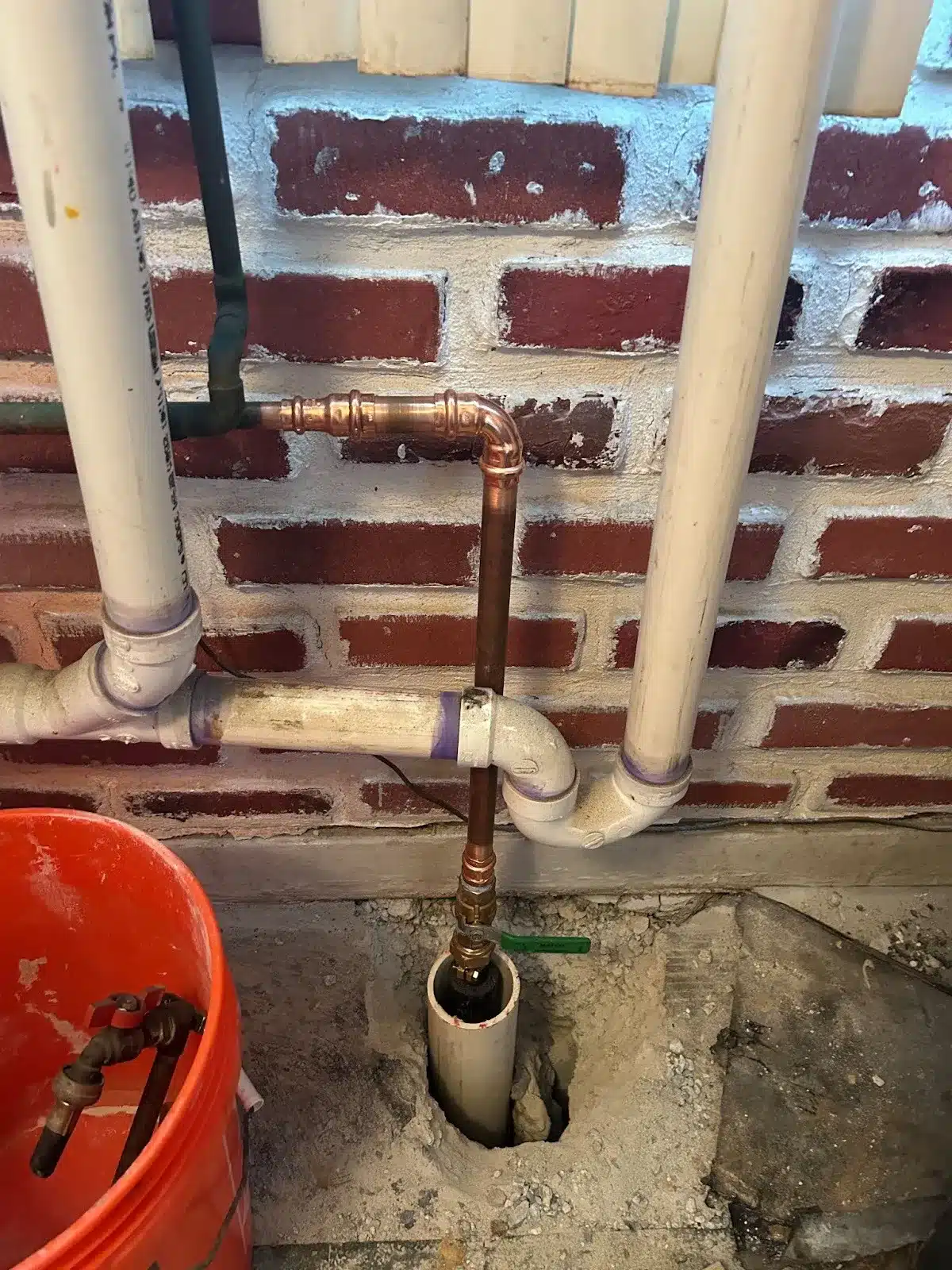
- Excavation and Replacement: The next step involves digging up the old lead pipes and replacing them with safer materials such as copper or PVC. This is often done by professionals, as it requires knowledge of local water systems and plumbing codes.
- Reconnection and Final Inspection: Once the new pipes are installed, the system is tested for leaks and pressure issues. The new water lines are then connected to the home’s plumbing system, and the area is restored.
Lead Water Line Replacement Cost
The lead water line replacement cost can vary depending on several factors, including:
- The length of the service line: A longer service line will generally cost more to replace.
- Location of the pipes: If the pipes are buried under concrete or other hard surfaces, excavation may be more difficult and expensive.
- Material choice: Copper and plastic are common materials used to replace lead pipes, and their costs can differ.
On average, homeowners can expect to pay anywhere from $2,000 to $4,000 for a lead water line replacement, though some programs may help reduce or cover these costs. It’s always a good idea to research local lead service line replacement programs to see if there is financial assistance available.
Why You Should Act Now
Replacing lead service lines is not only important for your health but also for the safety of your community. Prolonged exposure to lead through drinking water can lead to severe health consequences that may be irreversible. Early action can prevent lead contamination in your home and help reduce the overall risks to public health.
If you are concerned about your water quality, contacting a professional plumber for a water test and discussing water line replacement near me should be a priority.
Conclusion
Replacing lead pipes in your water system is essential to ensure the health and safety of your family. If you live in an older home, it’s crucial to have your pipes inspected and replaced if necessary. The lead service line replacement program offers financial assistance and resources to help homeowners with this important project.
At TricoWater, we are dedicated to providing safe drinking water plumbing solutions and assisting you in making the right choices for your water system. Contact us today to learn more about lead water line replacement and how we can help you protect your home and health.
FAQs
1. How do I know if I have lead pipes?
If your home was built before 1986, there’s a higher chance that it may have lead pipes. You can also check for signs such as a metallic taste or cloudy water, or simply contact a plumber to inspect your pipes.
2. How does lead affect my drinking water?
Lead can leach into your water supply from lead pipes, posing serious health risks such as developmental delays in children and kidney problems in adults.
3. How long does it take to replace a lead service line?
Replacing a lead service line typically takes one to three days, depending on the size of the service line and the complexity of the job.
4. What is the cost of lead water line replacement?
The cost can vary based on factors like the length of the pipe and location. On average, it can range from $2,000 to $4,000.
5. Are there any programs that help with lead pipe replacement?
Yes, many municipalities offer lead service line replacement programs that help cover the cost of replacing lead pipes.
6. Can I replace the lead pipes myself?
Replacing lead pipes requires professional expertise and knowledge of plumbing codes. It’s recommended to hire a licensed plumber to perform the replacement.
7. What material is used to replace lead pipes?
Common materials used for replacing lead pipes are copper and plastic (PVC) pipes. These materials are safe and durable.
8. How can I find a plumber to replace my lead water line?
You can search online for water line replacement near me or ask for recommendations from local water authorities to find a licensed plumber experienced in lead pipe replacement.

