

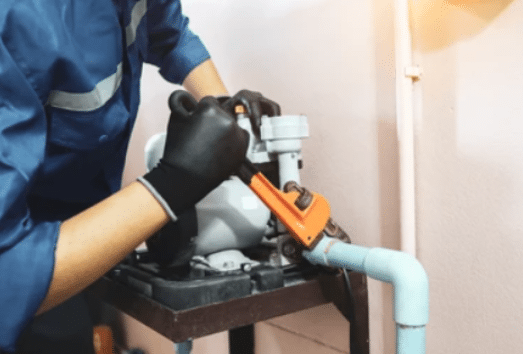
A grinder pump is the only thing standing between your home’s sewage and a backup into your basement or lowest-level drains, unlike gravity-fed systems, there’s no passive fallback when it stops working. The most common failure signs are a red alarm light on the control panel, gurgling sounds from drains, slow-draining fixtures throughout the house, and sewage odors near the pump basin. Grinder pumps typically last 7–10 years with annual maintenance; when the alarm triggers, most municipalities require repair within 24 hours to prevent environmental violations.
Contents
- What Is a Grinder Pump and Why Does It Matter?
- Warning Signs Your Grinder Pump Needs Attention
- Common Causes of Grinder Pump Failure
- What Does Grinder Pump Repair Actually Cost?
- Grinder Pump Maintenance Tips You Can Do Yourself
- When Should You Call a Professional?
- The Bottom Line
- Your septic and sewer systems deserve expert care. Trust Tri-County Water Services for fast, reliable, and transparent services that ensure your system stays trouble-free across PA and MD.
- Frequently Asked Questions
- / Author
- Brent D. Hershey
- Orenco Rep, Educator
What Is a Grinder Pump and Why Does It Matter?
A grinder pump is a critical component of many residential and commercial sewage systems. Unlike a standard gravity-fed system, a grinder pump uses a powerful motor to grind solid waste into a fine slurry, then pumps it uphill or over long distances to the municipal sewer line or septic tank. This makes it especially common in homes that sit lower than the main sewer line or in areas where a traditional gravity system just is not practical.
Because grinder pumps work so hard every single day, they are naturally prone to wear and tear. Regular maintenance is not optional if you want to avoid a full system failure at the worst possible time.
Warning Signs Your Grinder Pump Needs Attention
Catching a problem early can mean the difference between a simple repair and a complete replacement. Here are the most common red flags homeowners report before their grinder pump fails entirely.
Alarm Light or Buzzing Sound Most modern grinder pumps are connected to an alarm system. If you see a red light on the control panel or hear a buzzing or beeping sound, do not ignore it. That alarm is telling you the pump is not working as it should, and continuing to use your plumbing can make things significantly worse.
Slow Drains Throughout the House If every drain in your home is moving slowly, the problem is likely not a simple clog. It could be a sign that your grinder pump is struggling to keep up with demand or is partially blocked.
Sewage Odors Inside or Outside A properly functioning grinder pump keeps waste moving and odors contained. When you start smelling sewage near your pump station, yard, or inside your home, that is a clear sign something needs to be inspected right away.
Unusually High Electricity Bills A grinder pump that is working too hard due to a mechanical issue will consume more energy than usual. If your electricity bill has crept up without any obvious explanation, the pump could be the culprit.
Wet or Soggy Spots in the Yard If the ground around your pump station is consistently wet or you notice green patches of unusually lush grass in one area, it could indicate a sewage leak in the line.
Pump Running Constantly Your grinder pump should cycle on and off. If it seems to be running nonstop, there is likely a mechanical or electrical problem that needs professional attention.
Common Causes of Grinder Pump Failure
Understanding why these pumps fail can help you avoid unnecessary damage. Some of the most frequent causes include:
• Flushing non-flushable items: Wipes, feminine products, paper towels, and other materials are not designed to go through a grinder pump, even if they are marketed as “flushable.”
• Grease buildup: Cooking grease poured down the drain accumulates inside the pump and the sewage line, eventually causing blockages.
• Power surges or outages: Electrical issues can burn out the motor or damage the float switch.
• Age and normal wear: Most grinder pumps have a lifespan of 7 to 15 years depending on usage and maintenance history.
• Root intrusion: Tree roots are persistent. They will work their way into sewage lines over time and can damage the pump system.
What Does Grinder Pump Repair Actually Cost?
This is the question most homeowners want answered right away, and the honest answer is that it depends. Here is a rough breakdown of what you can expect:
• Routine inspection and maintenance: Typically ranges from $100 to $300 per visit.
• Float switch replacement: Usually between $150 and $400 parts and labor included.
• Motor or impeller repair: Can range from $300 to $800 depending on the parts needed.
• Full pump replacement: For a complete grinder pump replacement, homeowners typically spend anywhere from $800 to $2,500 or more, depending on the model and the complexity of the installation.
• Emergency septic repair: If the situation has escalated to an emergency, costs can increase significantly based on the extent of the damage and how quickly service is needed.
The best way to keep costs manageable is to stay on top of routine maintenance and address problems before they spiral into something larger.
Grinder Pump Maintenance Tips You Can Do Yourself
While most grinder pump work should be handled by a licensed professional, there are a few things you can do on your own to extend the life of your system.
1. Know what not to flush. Keep wipes, cotton balls, dental floss, grease, and paper products out of your drains and toilets.
2. Check your alarm system periodically. Make sure the alarm light and audible alert are working properly. Test it according to the manufacturer’s instructions.
3. Keep the area around the pump station clear. Do not allow vegetation, fencing, or debris to block access to the pump.
4. Schedule annual professional inspections. Having a technician look at your system once a year catches small issues before they turn into big ones.
5. Know the location of your shutoff. In the event of an alarm or visible problem, knowing how to shut off power to the pump safely can prevent further damage while you wait for help.
When Should You Call a Professional?
If you are experiencing any of the warning signs listed above, it is time to stop searching “sump pump repair near me” or “grinder pump repair near me” and make an actual call. A grinder pump is not a system you want to troubleshoot on your own. The risk of contamination, electrical hazards, and worsening the damage is real.
You should call a professional immediately if:
• Your alarm is going off and your drains are backing up
• You smell sewage inside or outside your home
• You need emergency septic repair due to an overflow or backup
• Your pump has not been professionally serviced in more than a year
• You suspect you need sewage line replacement due to root damage or age
At Tri-County Water Services, we handle everything from routine maintenance to emergency calls throughout Berks, Lancaster, Chester, and Delaware Counties. Our technicians are experienced, upfront about pricing, and ready to get your system back in working order fast.
The Bottom Line
Your grinder pump is one of those systems that tends to stay out of sight and out of mind until something goes wrong. Staying proactive with maintenance and knowing the early warning signs of failure can save you a significant amount of money and stress down the road. If you are dealing with a system that is acting up, do not wait it out hoping the problem resolves itself.
Reach out to Tri-County Water Services at 610-857-1740 or visit tricowater.com to schedule an inspection or get emergency help when you need it most. We are based in Parkesburg, PA and proud to serve homeowners throughout southeastern Pennsylvania with honest, professional service every time.
Frequently Asked Questions
1. How long does a grinder pump typically last?
With proper maintenance, most grinder pumps last between 7 and 15 years. The lifespan depends on how often the pump is used, what goes through it, and whether it receives regular professional servicing.
2. Can I use my plumbing when the grinder pump alarm is going off?
It is best to limit your water use as much as possible. Running water and flushing toilets while the pump is malfunctioning puts additional stress on the system and can lead to a sewage backup inside your home.
3. What should never go into a grinder pump system?
You should never put wipes (even so-called “flushable” ones), feminine hygiene products, paper towels, cooking grease, dental floss, cotton swabs, or any solid materials into a system that feeds a grinder pump. These items cause blockages and can destroy the impeller over time.
4. How do I find grinder pump repair near me?
Look for a licensed plumbing and septic service company in your area with experience specifically in grinder pump systems. Tri-County Water Services serves homeowners across southeastern Pennsylvania and is a trusted name for grinder pump repair, maintenance, and replacement.
5. Is grinder pump repair covered by homeowners insurance?
In some cases, yes. If the damage is caused by a sudden and accidental event, your policy may cover part of the repair. However, gradual wear and neglect are typically excluded. It is worth calling your insurance provider to clarify your coverage before you assume you are on your own.
6. What is the difference between a grinder pump and a sump pump?
A sump pump removes groundwater and prevents basement flooding. A grinder pump is part of your sewage system. They serve completely different purposes, which is why you want a company experienced in both if you have questions about either one.
7. How often should a grinder pump be serviced?
At minimum, once per year. If your household has heavy usage or you have had issues in the past, more frequent inspections may be a smart investment. Regular service keeps your pump running efficiently and helps you avoid unexpected repair bills.
8. What happens during emergency septic repair?
When you call for emergency service, a technician will come out to assess the situation, identify the source of the problem, and take immediate steps to stop any active backup or overflow. From there, they will walk you through the repair options and associated costs before any work begins.
9. How do I know if I need sewage line replacement versus just a repair?
This typically comes down to the extent of the damage. Older pipes that have cracked, collapsed, or been heavily infiltrated by tree roots may be better candidates for full replacement rather than patching. A professional camera inspection of the line is the most reliable way to make that determination.
10. Does Tri-County Water Services handle grinder pump work throughout Pennsylvania?
Yes. Tri-County Water Services provides grinder pump repair, maintenance, and installation across Berks, Lancaster, Chester, and Delaware Counties in Pennsylvania. Whether it is a routine inspection or an urgent repair, the team is ready to help.

