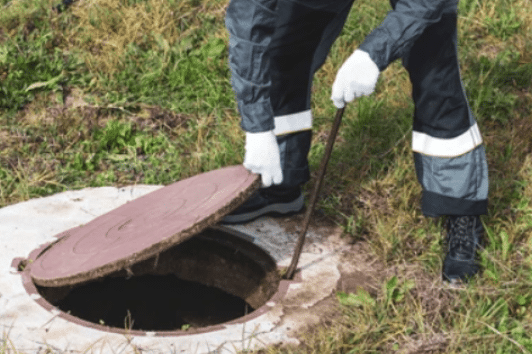
When buying or selling a home, especially in areas like Coatesville, Chester Springs, and Lancaster, one often overlooks a crucial aspect of the property: the septic system. It’s easy to get caught up in the excitement of a new house or the hustle of selling, but ensuring your septic system is in good condition can save you from costly repairs and potential legal issues down the line. Septic inspections are essential to maintaining the health of a property’s sewage system and can even affect the sale process. In this blog, we’ll dive into why septic inspections matter, what they involve, and why they’re especially crucial in Coatesville and Chester Springs, PA.
What Is a Septic Inspection?
A septic inspection is a thorough assessment of a property’s septic system to ensure it is functioning properly. This includes checking the septic tank, drain fields, and the residential sewer line. The purpose of the inspection is to catch any potential issues before they escalate into costly problems or affect the home’s value. Homebuyers and sellers alike should understand the significance of a septic inspection before proceeding with a real estate transaction.
Why Septic Inspections Matter in Coatesville and Chester Springs
Coatesville and Chester Springs, both located in Pennsylvania, have a large number of homes relying on septic systems for waste disposal. These areas are largely residential, with many homes situated on spacious lots that aren’t connected to a municipal sewer system. For these properties, septic systems are essential in managing waste.
Here are some reasons why septic inspections in Coatesville and Chester Springs are crucial:
- Avoid Costly Repairs
Septic systems can be expensive to repair or replace, often costing thousands of dollars. A neglected or improperly maintained septic system can develop issues such as leaks, clogging, or even complete failure, leading to the need for residential sewer line repair. A septic inspection can help identify these problems early on, saving homeowners from surprise repair costs.
- Increase Property Value
For sellers, having a septic inspection completed before listing a property can boost buyer confidence. Homes with a well-maintained septic system are more attractive to potential buyers, and it can also help speed up the closing process. Buyers appreciate knowing that the septic system is in good working condition, which can help in negotiating a fair price for the property.
- Comply with Local Regulations
In Pennsylvania, especially in areas like Coatesville and Chester Springs, there are local regulations regarding septic systems. A septic certification PA is often required for the transfer of property ownership. By having the system inspected and certified, sellers can ensure they are meeting these requirements, avoiding any legal complications that might arise during the transaction.
- Ensure Health and Safety
Septic systems are responsible for safely disposing of household waste. A malfunctioning system can result in hazardous waste leakage into the surrounding environment, contaminating the water supply and posing health risks to residents. Regular inspections help prevent these issues, ensuring the safety and well-being of everyone in the home.
- Peace of Mind for Homebuyers
Homebuyers in Coatesville, Chester Springs, and surrounding areas often rely on septic systems as their primary form of waste management. A septic inspection gives buyers peace of mind that they are purchasing a property with a properly functioning system, preventing any unpleasant surprises once they move in.
What Does a Septic Inspection Involve?
A typical septic inspection will assess the following components:
- Septic Tank
The septic tank is the first place waste enters, where solids settle, and liquids are filtered. Inspectors will check the tank for signs of wear, cracks, or leaks and ensure it’s large enough to accommodate the household’s needs. The inspector will also measure the sludge levels inside to ensure it’s not full and requires pumping.
- Drain Fields
Drain fields, or leach fields, are responsible for filtering wastewater once it exits the septic tank. If the drain field is clogged or damaged, wastewater can back up, leading to unpleasant odors or even surface sewage. The inspector will evaluate the condition of the drain field and look for any signs of failure, such as soggy soil or sewage backups.
- Residential Sewer Line
The sewer line carries wastewater from the home to the septic tank. Inspectors will assess the line for any blockages, leaks, or signs of damage. A problem with the sewer line can result in significant repair costs, so it’s essential to ensure it’s functioning properly.
- System Components
The septic system includes other components such as the inlet and outlet baffles, pumps, and alarms. These are all checked for proper function, as they help regulate the flow of waste through the system.
- Septic Certification PA
Once the inspection is complete, a septic certification can be issued. This certification ensures that the septic system is in good working order and complies with local regulations. In some areas, such as Coatesville and Chester Springs, this certification is required for real estate transactions.
Conclusion
Septic inspections in Coatesville and Chester Springs play a vital role in maintaining the health and functionality of a home’s waste disposal system. Whether you’re buying or selling a property, ensuring the septic system is properly inspected and certified can save you from expensive repairs, legal issues, and health risks. For a smooth real estate transaction, it’s essential to prioritize septic inspections, helping you make informed decisions and ensuring the long-term safety and value of your property. If you’re in need of septic services in Coatesville, Chester Springs, or Lancaster, don’t hesitate to contact Trico Water for expert septic inspection and maintenance services.
FAQs About Septic Inspections in Coatesville and Chester Springs
1. How often should I get a septic inspection?
It’s recommended to have a septic inspection every 3-5 years. However, if you’re buying or selling a home, a septic inspection should be conducted before finalizing the deal.
2. What happens if my septic system fails during an inspection?
If your septic system fails the inspection, it may be necessary to repair or replace parts of the system. You could negotiate the cost of repairs with the seller or, as a buyer, request that repairs be made before closing.
3. How long does a septic inspection take?
A typical septic inspection takes 2-3 hours, depending on the size of the property and the condition of the system.
4. Do I need a septic inspection if the property has recently had one?
Even if a septic inspection has been done recently, it’s a good idea to have it re-inspected, especially if the property has been vacant or there have been significant changes to the system.
5. Can I sell my home without a septic inspection?
While it’s not always required, failing to have a septic inspection can raise red flags for potential buyers. It’s often best to have the system inspected to ensure the sale goes smoothly.
6. How much does a septic inspection cost in Coatesville and Chester Springs?
The cost of a septic inspection typically ranges between $300 and $600, depending on the size and complexity of the system. However, this investment is small compared to the cost of septic repairs or replacement.
7. Is septic certification required when selling a home?
Yes, in many areas of Pennsylvania, including Coatesville and Chester Springs, septic certification is required when transferring property ownership. This ensures the septic system meets local health and safety standards.
8. Can a septic inspection affect my home’s value?
Yes, a septic inspection can affect your home’s value. If the system is in good condition, it can increase the property’s value and appeal to buyers. If the system is failing, it can lower the value and make it harder to sell.

