
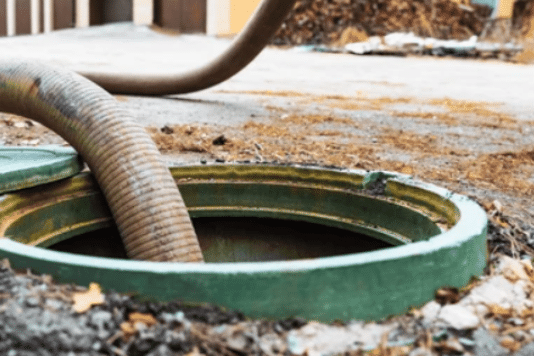
If you own a home in Lancaster or Chester County, there’s a good chance your property runs on a septic system. And if you’re like most homeowners out here, you probably don’t think about it much until something goes wrong. The good news is that keeping your system healthy is not complicated. It mostly comes down to one thing: getting your septic tank pumped on a regular schedule.
At Tri-County Water Services, we’ve been helping families across Lancaster, Coatesville, Chester Springs, and the surrounding areas keep their septic systems running smoothly for years. We’ve seen firsthand what happens when pumping gets skipped, and we’ve also seen how a little routine maintenance can add decades to the life of a system. So let’s break down what you actually need to know.
Contents
- Why Septic Tank Pumping Actually Matters
- How Often Should You Pump Your Septic Tank?
- Signs Your Tank Needs Attention Now
- Septic Pumping in Lancaster PA and Chester County: What to Expect
- Septic Inspection in Coatesville PA and Chester Springs
- Ready to Schedule? Tri-County Water Services Has You Covered
- Your septic and sewer systems deserve expert care. Trust Tri-County Water Services for fast, reliable, and transparent services that ensure your system stays trouble-free across PA and MD.
- Frequently Asked Questions About Septic Pumping in Lancaster and Chester County
- / Author
- Brent D. Hershey
- Orenco Rep, Educator
Why Septic Tank Pumping Actually Matters
Your septic tank does a quiet but important job every single day. Wastewater from your home flows into the tank, where solids sink to the bottom and form what’s called sludge. Lighter materials float to the top as scum. The liquid in the middle, known as effluent, flows out to your drain field.
Over time, that sludge layer builds up. When it gets too thick, it has nowhere to go but into your drain field, which is not built to handle solids. This leads to clogs, backups, soggy yards, and in worst cases, complete system failure. That’s an expensive problem that regular pumping easily prevents.
How Often Should You Pump Your Septic Tank?
The honest answer is that it depends on a few factors specific to your household. But here’s a general starting point most septic professionals agree on:
For a typical family of four with a standard 1,000-gallon tank, pumping every 3 to 5 years is usually the right window. Larger households, smaller tanks, or homes with garbage disposals may need service closer to every 2 to 3 years.
Here’s what tends to push the schedule forward:
Household size. More people means more wastewater. A family of six fills a tank noticeably faster than a couple.
Garbage disposal use. If you’re grinding food waste and sending it down the drain, your tank is working harder than average.
Tank size. A 500-gallon tank needs attention more frequently than a 1,500-gallon one.
Age of the system. Older systems sometimes have smaller tanks or less efficient drain fields, which means more frequent maintenance.
If you’re not sure when your tank was last pumped, or if you just moved into a home in Lancaster or Chester County and have no service history, it’s worth scheduling a septic inspection sooner rather than later. A quick inspection tells you exactly where things stand.
Signs Your Tank Needs Attention Now
Sometimes a tank needs pumping ahead of schedule. Watch out for these warning signs:
Slow drains throughout the house (not just one fixture) are often one of the first things people notice. If your toilets are sluggish and your sinks are backing up, your tank may be full.
Odors near your drain field or around your yard are another red flag. Septic systems should be completely odor-free when functioning properly.
Unusually lush or green patches of grass over your drain field can mean effluent is surfacing, which is a sign of a failing or overloaded system.
Sewage backups in the lowest drains of your home are the most serious sign. At that point, you need septic service near you right away.
If you’re seeing any of these signs, call us. Early intervention almost always costs less than emergency repairs.
Septic Pumping in Lancaster PA and Chester County: What to Expect
When our team comes out to your property for septic tank pumping in Lancaster PA or anywhere in Chester County, the process is straightforward. We locate your tank access points, remove the accumulated sludge and scum, and inspect the tank for any visible cracks, damage, or signs of concern.
We also check the inlet and outlet baffles, which are components inside the tank that help direct flow properly. If those are deteriorating, they can be replaced before they cause larger problems.
A standard pumping appointment usually takes an hour or two depending on tank size and access. We leave you with a clear picture of your system’s current condition and let you know if anything needs follow-up attention.
Septic Inspection in Coatesville PA and Chester Springs
If you’re buying or selling a home, or if you simply want peace of mind about a system you’ve never had inspected, a septic inspection in Coatesville PA or Chester Springs is a smart investment. We assess the entire system, including the tank, distribution box, and drain field, to give you an honest report on its condition.
This is especially valuable for older homes in rural parts of Lancaster and Chester County where systems may be decades old and have limited service records.
Ready to Schedule? Tri-County Water Services Has You Covered
Whether you need routine septic tank pumping in Lancaster PA, a full septic inspection in Coatesville PA, or you’re searching for septic service near me in Chester Springs or anywhere across Chester County, Tri-County Water Services is ready to help.
We believe in doing the job right, being upfront about what we find, and treating your home the way we’d treat our own. That’s not just a company line; it’s the way our team actually operates, and our customers will tell you the same.
Frequently Asked Questions About Septic Pumping in Lancaster and Chester County
1. How often should I get septic tank pumping in Lancaster PA?
Most households need pumping every 3 to 5 years, but the exact schedule depends on your tank size, household size, and daily water usage. When in doubt, we recommend an inspection to get a baseline reading on your specific system.
2. What’s the difference between septic pumping and a septic inspection?
Pumping removes the accumulated solids from your tank. An inspection goes further and evaluates the overall health of the system, including the drain field and internal components. Many homeowners choose to do both at the same time, which we’re happy to handle in a single visit.
3. I just bought a home in Chester Springs PA. Do I need septic services right away?
If you don’t have a service history for the system, yes. A Chester Springs PA septic service call early on lets you establish a baseline and catch any issues before they grow. It’s one of the smartest things a new homeowner can do.
4. Can I use the septic system normally during winter?
Yes, septic systems generally function fine year-round in Pennsylvania. However, frozen ground can occasionally affect drain fields in very cold winters. If you notice drainage slowing significantly in cold weather, give us a call.
5. How do I find reliable septic service near me in Lancaster or Chester County?
Tri-County Water Services serves Lancaster, Chester, Berks, and Delaware Counties. We’re locally based and have been serving this region for years. You can reach us at 610-857-1740 or visit tricowater.com to schedule service.
6. What should I avoid putting down the drain to protect my septic system?
Wipes (even “flushable” ones), grease, coffee grounds, medications, and harsh chemical cleaners are all hard on septic systems. Stick to toilet paper and avoid using the garbage disposal for anything that could be composted or thrown away instead.
7. Is a septic inspection in Coatesville PA required when selling a home?
Pennsylvania does not have a statewide requirement for septic inspections at the time of sale, but many buyers and lenders request one. Having an inspection on record can actually speed up a sale and give buyers confidence in the property.
8. What happens if I skip septic pumping for too long?
Skipping pumping long-term leads to sludge overflow into the drain field. Once that happens, you’re looking at drain field repairs or replacement, which can run into thousands of dollars. Regular pumping is genuinely one of the most cost-effective forms of home maintenance.
9. My drains are slow but it’s only in one bathroom. Is that a septic problem?
Not necessarily. A localized slow drain usually points to a pipe clog rather than a full septic tank. That said, if it’s happening in multiple places, your tank is more likely the culprit. We can help you sort out which one it is.
10. How do I schedule Lancaster septic pumping or a septic inspection with Tri-County?
It’s simple. Give us a call at 610-857-1740 or send us a message through tricowater.com. We’ll get you on the schedule and answer any questions you have about your system before we even arrive.

