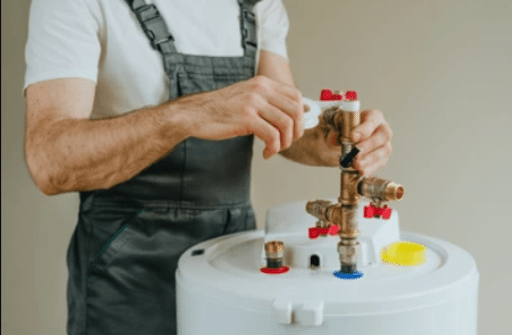
In Pennsylvania, particularly in areas with hard water, performing regular flushing and anode rod replacement is necessary to keep water heaters efficient and prolong their life. Doing this helps prevent sediment buildup, minimizes corrosion, and assists the homeowner in avoiding costly repairs and early replacements of their unit.
Why Maintenance Has Value for Pennsylvania Water Heaters
In Pennsylvania, water heaters encounter unique challenges that stem from the chemistry of local water, which is an issue, especially in hard water areas like Chester County. High levels of calcium and magnesium introduce limescale deposits, which ultimately insulate heating elements of the water heater. In turn, it might require approximately 25 percent more energy to obtain the same amount of hot water. Residents ultimately pay higher energy costs along with severely diminished hot water availability. Regular maintenance is necessary in order to keep water heater performance and energy expenditures under control.
The Effects of Hard Water in Chester County
Hard water is a common problem in Chester County where groundwater that is rich in minerals impacts water heater operation. The formation of calcium carbonate deposits at the bottom of the heater tank reduce capacity in the tank and reduce the efficiency of heat transfer meaning less hot water availability as well as potentially risking overheating. Scale and corrosion will accelerate wear on overall system performance to the point of reducing overall life expectancy of the water heater and overall functionality leading to unexpected repairs. For homes with hard water, regular maintenance may need be made in intervals of up to every three months to prevent excessive buildup. Flushing the heater tank regularly ensures consistent access to hot water, reduces stress on heating elements, and continues to contribute to lower operating costs. Homeowners who value this simple process often begin to see improvements almost immediately in performance of their system along with the time between repairs.
The Function of the Anode Rod
The anode rod is a sacrificial part designed to protect the water heater tank from corrosion. It can be made of magnesium, aluminum, or zinc. The metal rod attracts corrosive agents inside the water, stopping them from attacking the steel tank lining. Over time, the anode rod will wear out and become less effective, and it should be replaced every five years. Without it, the steel tank is left unprotected and prone to rusting, which can result in leaks and catastrophic failures. Looking at the anode rod and replacing it periodically allows you to significantly extend your water heater’s life and avoid unpleasant surprises.
When to Call For Service
There are several signs that your water heater needs trouble. If you hear a popping or rumbling noise while your water heater is working, this means there is sediment accumulating at the bottom of your tank and heating elements cannot transfer heat properly. It could also be discolored or rusty water that indicates internal rust or corrosion from a failed/anode rod. These problems should be investigated and repaired quickly to avoid further damage to your appliance and your plumbing. You may also notice that you have significantly less supply of hot water, or that it takes longer than usual for water to heat up, which are also signs of scale buildup affecting hot water efficiency. Finally, if it has been five years since a professional inspection, it is essential to get one done to find problems before they become catastrophically expensive. Flushing the entire tank and evaluating the anode rod are good practices to have in your maintenance plan.
Maintenance Recommendations
Most water heaters should receive annual maintenance to operate reliably. Maintenance includes tank flushing, anode rod inspections, pressure relief valve checks, and the maintenance of the entire water heater system. If you live in an area with hard water, like Chester County, you may want to flush your water heater even more frequently. If your system is older than five years, you should incorporate anode rod replacement into your maintenance choice when you might otherwise flush the heater with a tank flush. Flushing your heater on a regular basis promotes efficiency, maintains your warranty, and prevents unexpected failures.

