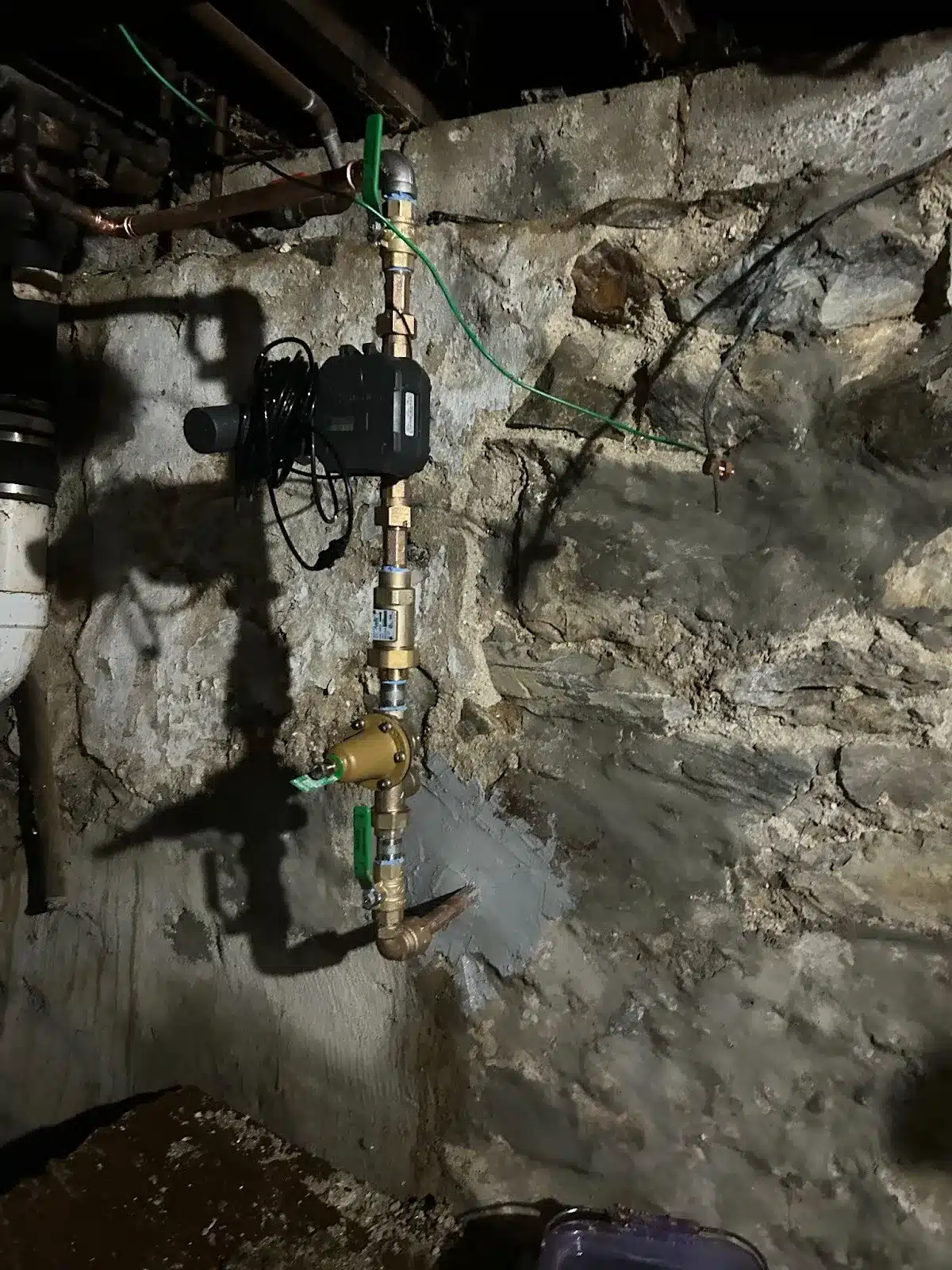
Lead Service Water Line Replacements offer grants to homeowners and small businesses in Chester and Lancaster Counties who replace aging lead or galvanized water service lines, protect drinking water quality, and meet the new EPA rules. This offering focuses on full lead service line replacement, from the street connection all the way to the building, specifically for property owners who have received notification letters from their local water authorities across the U.S. (including Pennsylvania).
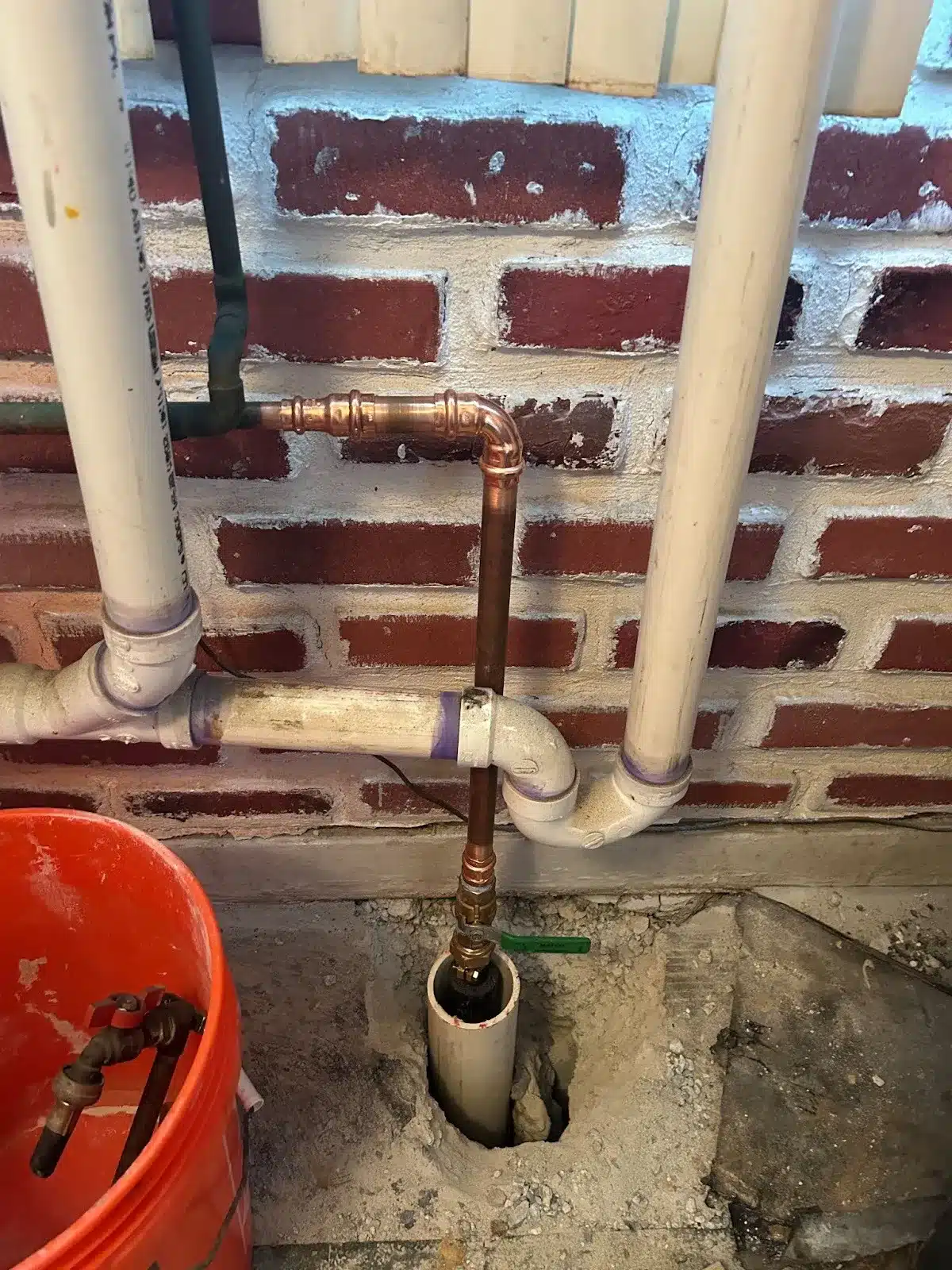
Lead Service Line Replacement Overview
Lead service line replacement refers to the excavation of old lead or galvanized water pipes and installation of new service lines in approved materials such as copper or plastic from the water main to your home. The revised EPA Lead and Copper Rule Revisions is expected to require most water systems in the US to replace lead service lines in approximately ten years, which is pushing local lead service line replacement programs and homeowner outreach around the country.
The only permanent solution for reducing lead at the tap include replacing lead pipes and/or lines because partial replacement of a service line can leave some lead pipe in the ground, which may continue to release lead into drinking water. Chester, Berks and Lancaster County homeowners may be receiving notifications from their water authority which includes a request for them to identify the service line material in effort to assist their system with identifying lead; this typically triggers the need of a private-side lead service line replacement contractor!
Why Replace Lead Water Lines Now
A lead service line is one of the biggest sources of lead exposure in drinking water, which can affect brain development in children as well as the health of adults’ hearts and kidneys. Federal rules now call for better lead sampling at taps and lower action levels, which means more communities will be required to act when lead is found, and replace some or all of their lead service lines.
Across the country, cities and water systems are launching lead service line replacement programs, including communities in Pennsylvania such as Berks, Lancaster and Chester County. But the programs often target only utility-owned lines, leaving private property owners to bear the cost and organization of replacing their own lead water line from the curb into a building.
Our Lead Pipe Replacement Services
Tri County Water is equipped to replace all types of lead service lines using qualified, certified replacement professionals. Our lead service line replacements include locating the existing line, using safe excavation practices, and installing new, code-compliant water lines for homes and light commercial properties. The service is thoughtfully designed to minimize disruption to your yard, landscaping, and hard surfaces, while restoring a reliable, clean water supply.
Lead Service Line Replacement: The typical lead service line replacement process includes:
- Verification of service line material and mapping the path of the current lead or galvanized water line.
- Coordinating with your water authority for shutoff, inspection, and any lead service line replacement program requirements.
- Completing a full lead water line replacement from the street connection to the basement or crawl space, followed by thoroughly flushing the line to remove any dislodged particles.
Lead Service Line Replacement Cost
The cost of replacing a lead service line varies according to the length and depth of the line, site access conditions, requirements to restore surfaces and local permitting. Across the country, full lead line replacement estimates can be as little as a few thousand dollars for a simple job or more than $10,000 in densely developed areas, or when other factors make the work challenging.
Most communities use a mix of federal and state funding, including infrastructure grants and revolving loan programs, to fund public-side replacement; private-side work is usually the responsibility of homeowners or can be paid for through existing assistance. Some Pennsylvania utilities have programs to replace lines made of lead, which may come with no direct cost or a form of shared cost for eligible customers, so it’s important to see what your water authority offers before scheduling work.
Serving Chester & Lancaster Counties, PA
Water authorities in Chester County and Lancaster County are actively identifying lead and galvanized service lines and preparing to remove them in accordance with federal requirements. With these notices and inventories being announced, more homeowners will be searching for reliable local lead service line contractors with an understanding of local codes, permitting requirements and work with the water jurisdiction in their area.
By focusing on lead service line replacements in Berks, Chester and Lancaster Counties, Tri County Water helps local water authorities meet program goals while supporting individual property owners in completing their portion of the replacement efficiently and professionally. This regional approach also keeps the lead pipe replacement work as a local investment that is responsive to area soil conditions, housing stock and standard service line layouts found in southeastern Pennsylvania.
FAQs About Lead Service Line Replacement
1. What is a lead service line?
By focusing on lead service line replacements in Berks, Chester and Lancaster Counties, Tri County Water helps local water authorities meet program goals while supporting individual property owners in completing their portion of the replacement efficiently and professionally. This regional approach also keeps the lead pipe replacement work as a local investment that is responsive to area soil conditions, housing stock and standard service line layouts found in southeastern Pennsylvania.
2. How do I know if I need lead pipe replacement?
Homeowners often first hear about their potential lead or galvanized lines after their water authority sends a letter asking them to identify and report the material of their service line. You can generally see the pipe where it enters your basement or crawl space; a dull gray, easily scratched pipe might indicate lead, while older galvanized steel may be considered “galvanized requiring replacement.”
3. What is the difference between full and partial lead service line replacement?
Full lead service line replacement involves removing the entire lead (or galvanized) pipe from the water main to the building and replacing it with approved materials. A partial lead service line replacement addresses only the utility-owned or customer-owned segment of the pipe, while portions of lead pipe remain in the ground. Because these segments can continue to release lead particles when disturbed, partial replacement is generally no longer viewed as a best-practice solution.
4. How much does lead service line replacement cost for a homeowner?
The cost of replacing a lead service line for a single property can vary, but national estimates indicate the average project cost in several thousands of dollars per line, though the figure can widely fluctuate based on local conditions and project complexity. The cost of replacing a lead pipe on its own can top more than $10,000 for some homes, especially those in denser urban areas or with significant reconstruction required.
5. Is there financial help or a lead service line replacement program available?
In many parts of the United States, utilities are using federal infrastructure funding and state programs to support the removal of lead service lines, particularly on the public-side piping. Several Pennsylvania water utilities now offer lead service line replacement programs that may provide full or partial financial assistance for eligible customers, making it essential to contact your local water authority as a first step.
