

Wastewater treatment for homes is critical. It not only protects Pennsylvanians’ drinking water and public health, it also preserves property values and local streams as development creeps into rural and suburban areas of the commonwealth. Thankfully, modern home wastewater system choices in PA and regular maintenance are enough to keep single family homes and even small groups of properties in line with state standards, while still allowing for sustainable growth.
Contents
- Why residential wastewater treatment matters
- Residential Wastewater Treatment
- Advanced systems for growing PA communities
- Types of advanced wastewater systems for homes include:
- Environmental and community benefits
- Local/community additional benefits
- The role of septic and SFTF maintenance
- Critical maintenance tasks include:
- Selecting the perfect partner in Pennsylvania
- Typical features of good domestic wastewater treatment services include:
- Your septic and sewer systems deserve expert care. Trust Tri-County Water Services for fast, reliable, and transparent services that ensure your system stays trouble-free across PA and MD.
- FAQs
- Q1. What Is Residential Wastewater Treatment Vs. Municipal Sewer Service?
- Q2. Why do most PA municipalities need to fix residential sewage treatment in growing towns?
- Q3. What are the advantages of home sewage works treatment?
- Q4. How frequently should septic be pumped in PA?
- / Author
- Brent D. Hershey
- Orenco Rep, Educator
Why residential wastewater treatment matters
As development spreads farther from municipal sewer lines, treating residential wastewater becomes the first line of defense against pollution, since water from everyday household use carries waste down drains into an extensive sewage network. Well-designed home wastewater system installations, which we provide to protect properties in Pennsylvania and beyond, keep untreated sewage out of wells, basements, and nearby creeks, protecting both homeowners with private water supplies and the local environment.
Residential Wastewater Treatment
Some of the many advantages of treating residential wastewater are:
- Reduced waterborne disease and pathogen/nutrient related health hazards.
- Safeguarding of water supplies, streams and wetlands against exposure to raw sewage and toxic chemicals.
- Support for the population in townships which do not have large centralized sewer plants.
Advanced systems for growing PA communities
As townships and suburban communities in Pennsylvania expand, the demand increases for advanced wastewater treatment systems and small flow treatment facilities (SFTFs) to manage larger volumes of treated waste on smaller lots. These SFTFs are designed to handle flow rates of up to 2,000 gallons per day and typically serve single homes or a few houses in a cluster, offering effective Pennsylvania septic solutions when traditional septic systems cannot get the job done.
Types of advanced wastewater systems for homes include:
- Low Flow Treatment Plants with mechanical and biological treatment prior to discharge.
- Other drainfield alternatives including drip systems or sand mounds for more difficult soils.
- Eco-friendly wastewater solutions that PA homeowners choose often include aerobic treatment, filtration, and disinfection to better protect surface and groundwater.
For these systems, you need experienced SFTF contractors and wastewater treatment companies in PA towns that can be trusted to both build and maintain them for the long term.
Environmental and community benefits
The treatment of residential wastewater is directly connected to less polluted rivers, healthier wildlife and safer recreation areas in Pennsylvania’s expanding population centers. By taking out solids, pathogens and excess nutrients prior to discharging treated water into the environment, these systems help protect against the algae blooms, odor and harm to the habitat that can result from uncontrolled releases.
Local/community additional benefits
- Increased property values and more robust real estate markets where wastewater systems are dependable and code compliant.
- Less neighborhood squabbling over failed systems, sewage bubbling up to the surface and foul odors.
- Savings over time by local leaders and homeowners investing in the right residential wastewater treatment now versus expensive band-aids.
For towns and developments governed by HOA-style community rules, working with experienced wastewater treatment companies that PA residents trust makes it easier to plan infrastructure efficiently, ensuring sustainable growth.
The role of septic and SFTF maintenance
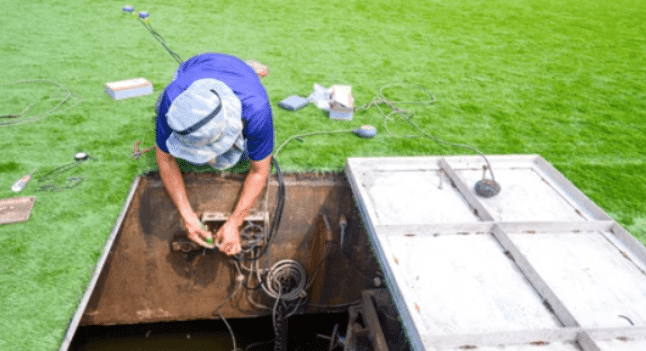
Traditional onsite and SFTFs provide community protection only when they are appropriately sized, regularly monitored, and maintained. In the absence of regular septic or SFTF maintenance, solids can plug components, untreated sewage may appear on top of the ground and effluents can pollute wells and streams.
Critical maintenance tasks include:
- Preventative pumping of septic tanks, before reaching drainfield overflow.
- Examinations of pumps, filters, alarms and controls of advanced residential wastewater treatment systems and SFTFs.
- Repairs pertaining to leaks, mechanical malfunctions, or hydraulic overload.
Pennsylvania requires SFTFs to follow specific reporting and monitoring guidelines, making reliable SFTF vendors essential partners for both homeowners and small developments.
Selecting the perfect partner in Pennsylvania
For developing ecosystems, choosing the right vendor is as important as choosing technology. Homeowners and community leaders should look for wastewater treatment companies in PA that understand both conventional septic systems and advanced systems, hold the proper licenses, and are familiar with Pennsylvania Department of Environmental Protection requirements as well as local county health regulations, ensuring a fully comprehensive and integrated system.
Typical features of good domestic wastewater treatment services include:
- Septic systems, ATUs and SFTFs design installation and service.
- A preventative septic maintenance program, emergency septic repairs and annual SFTF systems service plans.
- Aiding with documentation, inspections and reporting necessary to comply with requirements from state or local regulators.
With support like this, growing Pennsylvania communities can develop confidently while protecting public health, the environment, and the long-term performance of the home wastewater systems PA families depend on.
FAQs
Q1. What Is Residential Wastewater Treatment Vs. Municipal Sewer Service?
Residential wastewater treatment refers to on-lot or decentralized systems, for example – septic systems and SFTFs, that utilize a natural process to treat wastewater onsite instead of conveying it to a large centralized facility.
Q2. Why do most PA municipalities need to fix residential sewage treatment in growing towns?
As development expands beyond existing sewer systems and new homes or small clusters are built farther from urban centers, on-lot wastewater systems must function properly to prevent well water contamination, stream pollution, and damage to neighboring properties.
Q3. What are the advantages of home sewage works treatment?
Advantages include dependable, leak-free sewerage, minimized risk of expensive property damage, protection of drinking water, compliance with state and local codes and increased property values.
Q4. How frequently should septic be pumped in PA?
The average home should have a septic tank pumped and inspected every 2-5 years (the size of the tank and its usage will affect the frequency). Most PA townships or management programs designate their own specific maintenance intervals.

